
In context
Emoji Slang Dictionary: Context Changes Everything

Published
One of the funniest parts of moderating internet communities is watching people argue over an emoji like it is a sworn statement. Someone drops a single 💀 and half the thread reads it as “I’m laughing,” the other half reads it as “I’m genuinely upset,” and one person is convinced it is a threat.
The truth is way less dramatic and way more interesting: emojis are tiny, context-hungry symbols. The surrounding text, punctuation, and even the vibe of the conversation act like a decoder ring.
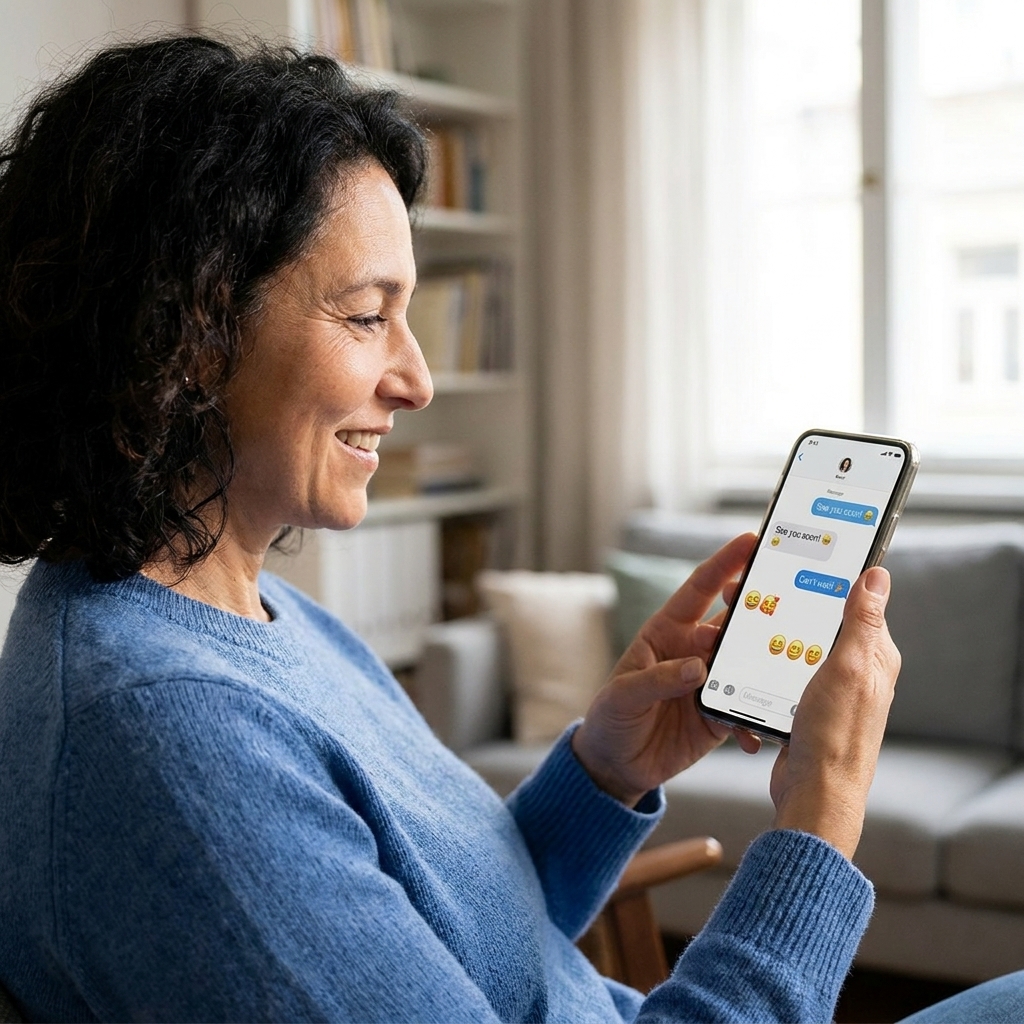
How emoji slang works
When an emoji becomes slang, it stops being just a picture and starts behaving like a tone marker, a punchline, or a whole reaction in one character. The same emoji can mean completely different things depending on what sits next to it.
Three quick context clues
- The text before the emoji: Is it a joke setup, a complaint, a brag, or a confession?
- Punctuation and casing: “OK. 😂” is not the same as “ok 😂” and neither matches “OK!!! 😂”
- Relationship + platform norms: Group chat with friends, comment section with strangers, and workplace Slack all have different emoji dialects.
If you want a deeper “how do I decode this in real time” approach, my go-to is to treat emojis like you would tone in speech. This pairs well with working out unfamiliar internet slang from context and, for TikTok specifically, reading TikTok slang with context clues.
Emoji slang dictionary
Below are common emoji-as-slang meanings you will see in the wild. Each entry includes what the emoji often signals and how surrounding text flips it.
💀 Skull
Core slang meaning: “I’m dead” as in laughing so hard I cannot cope.
- When it means “that’s hilarious”: The text is clearly a joke, roast, or absurd story.
Example: “He tried to flirt by quoting the Bee Movie script 💀” - When it means “that’s embarrassing”: The text describes a social mistake, especially in first person.
Example: “I waved back at someone who wasn’t waving at me 💀” - When it means “I’m stunned in a bad way”: The text is serious and the skull functions like “I have no words.”
Example: “They cancelled my flight and the next one is in three days 💀” - When it reads as rude: The skull is attached to someone else’s misfortune, especially without other softening language.
Example: “You got rejected? 💀” can come off cold.
😭 Loudly crying face
Core slang meaning: intense emotion. Online, it often means “I’m laughing so hard I’m crying” or “I’m genuinely upset”.
- When it means “this is so funny”: Paired with something ridiculous, a meme, a roast, or “pls” / “i can’t”.
Example: “Not him practicing his apology in the mirror 😭” - When it means real sadness: The text includes specifics, vulnerability, or a plain statement of loss.
Example: “My childhood dog passed today 😭” - When it means “this is sweet”: Used as a “my heart can’t take it” reaction to something wholesome.
Example: “She packed snacks for everyone on the road trip 😭” - Context warning: If you are responding to someone’s serious message, this emoji can accidentally look like you are laughing at them unless your text makes empathy explicit.
😂 Face with tears of joy
Core slang meaning: “I’m laughing.”
- When it reads as genuine laughter: The text is friendly and specific about what’s funny.
Example: “The way your cat side-eyed the vacuum 😂” - When it reads as dismissive: It follows a complaint or serious topic with no acknowledgement.
Example: “My manager scheduled me during my exam week 😂” might look like you do not care. - Generational note (soft, not a rule): Some younger users avoid 😂 because it can feel “Facebook” or “mom-ish” in certain circles, swapping in 💀 or 🤣 instead. Context still decides.
🤣 Rolling on the floor laughing
Core slang meaning: bigger, louder laughter than 😂. It often signals “I am losing it.”
- When it means “big laugh, friendly”: Paired with compliments or shared humor.
Example: “Stoppp your delivery is perfect 🤣” - When it means “I’m laughing at you”: Paired with “no way”, “be serious”, or a direct quote of someone’s mistake.
Example: “You thought that was a real email? 🤣”
🤡 Clown face
Core slang meaning: calling something foolish, naive, or self-delusional. Sometimes self-roast: “I am the clown.”
- Self-directed (usually playful): The text admits a mistake or bad decision.
Example: “I really thought I could fix my sleep schedule in one night 🤡” - Other-directed (can escalate fast): The text points blame at a person or group.
Example: “Anyone defending that update is a 🤡” is basically a fight invitation. - When it implies “I got played”: Paired with relationship drama or scams.
Example: “He said he was “bad at texting” and posted his date tonight 🤡”
😐 Neutral face
Core slang meaning: awkwardness, unimpressed silence, or “I have nothing nice to say.”
- When it means “awkward”: It follows a social misstep or cringe moment.
Example: “He said “you too” when the waiter said enjoy your meal 😐” - When it means “not buying it”: It follows a suspicious claim.
Example: “So you “forgot” to reply for two days 😐” - When it softens a harsh point: Used after a boundary to make it less explosive, but still firm.
Example: “No, I am not doing that again 😐”
🫢 Side eye
Core slang meaning: skepticism, judgment, or “I am watching this.”
- Playful suspicion: The text teases a friend.
Example: “You said you were “on the way” 20 minutes ago 🫢” - Real criticism: The text calls out behavior or hypocrisy.
Example: “Talking about “health” while body-shaming people 🫢” - When it becomes a warning: If it is the only reply, it can read colder than intended.
😩 Weary face
Core slang meaning: exhausted, stressed, “I cannot do this.”
- Lighthearted overwhelm: Paired with small annoyances or busy schedules.
Example: “Three meetings before 10 a.m. 😩” - Emotional overwhelm: Paired with relationship or family stress.
Example: “I keep trying to explain it and they just won’t listen 😩”
🥺 Pleading face
Core slang meaning: begging, cute persuasion, “pleaseeee” energy.
- When it is flirty or sweet: Paired with a soft request or compliment.
Example: “Send the playlist 🥺” - When it is guilt-trippy: Paired with pressure or repeated requests.
Example: “Come on just do it for me 🥺” can read manipulative depending on history.
😏 Smirking face
Core slang meaning: flirtation, innuendo, or “I know something you don’t.”
- Flirty: The text is a compliment or a playful challenge.
Example: “You sure you can beat my score 😏” - Innuendo: The text is suggestive without being explicit.
Example: “I can think of a better way to spend the night 😏” - When it reads as smug: Paired with “told you” or “I was right.”
🤦🏼 Facepalm
Core slang meaning: “please be serious,” embarrassment, frustration at obvious mistakes.
- Gentle exasperation: Paired with humor or a solution.
Example: “You have to plug it in first 🤦🏼” - Harsh scolding: Paired with insults or repeated criticism.
Example: “How do you not know this 🤦🏼”
✨ Sparkles
Core slang meaning: emphasis, glamor, mock-formality, or “I’m making this a Thing.”
- Genuine excitement: Paired with good news and upbeat wording.
Example: “I got the job ✨” - Playful branding: Wraps a phrase to make it feel like a label or persona.
Example: “Entering my ✨ productive era ✨” - Irony or shade: Sparkles around a negative phrase can mean “so-called” or “yeah right.”
Example: “Love a ✨ quick meeting ✨ that lasts an hour”
👁️🗨️ Eye and speech bubble
Core slang meaning: “I saw that” and I have thoughts. Often used as subtle commentary without saying it outright.
- When it means “clocked it”: Paired with a vague reference to drama or behavior.
Example: “Interesting choice of words 👁️🗨️” - When it means “I’m staying out of it”: The emoji does the talking because the text refuses to.
Example: “No comment 👁️🗨️”
🫠 Melting face
Core slang meaning: awkward discomfort, overwhelmed politeness, or “I am falling apart but still smiling.”
- Social discomfort: Paired with “haha”, “oops”, or a cringe confession.
Example: “I said “you too” when they said happy birthday 🫠” - Heat, stress, burnout: Paired with work or life overload.
Example: “It is 95 degrees and my AC is broken 🫠”
🫡 Saluting face
Core slang meaning: respect, “yes sir/ma’am,” or a humorous “I accept my fate” salute.
- Sincere respect: Paired with praise.
Example: “You handled that so well 🫡” - Playful compliance: Paired with chores, rules, or a mild callout.
Example: “Ok I will stop doomscrolling 🫡”
How text changes meaning
If you only remember one thing from this page, make it this: emojis do not carry tone by themselves. They borrow tone from their neighbors.
1) One emoji vs a pile
- Single emoji often reads drier, cooler, or more pointed: “Sure 😐”
- Repeated emoji often reads more playful or exaggerated: “Sure 😐😐😐”
2) Placement changes the punchline
- End of sentence tends to be reaction: “I forgot my wallet 🤡”
- Beginning can feel like a label for what follows: “🤡 Me thinking I could do it in one trip”
- Middle can act like stage direction: “I was 🫠 trying to be normal about it”
3) Verbs change the temperature
- “I” statements often signal self-roast: “I believed him 🤡”
- “You” statements can sound accusatory: “You believed him 🤡”
- Passive voice can make shade feel sneakier: “That was certainly said 👁️🗨️”
4) Quoting someone is commentary
Quotes turn emojis into commentary. This is one of the fastest ways to accidentally start drama.
- Example: “‘I’m not mad’ 😐” reads like “they are mad.”
- Example: “‘It’ll be quick’ ✨” reads like “it will not be quick.”
5) Irony markers travel in packs
Some emojis are practically built for irony, especially when the text is deadpan. If you like decoding that vibe, you will probably enjoy how irony works in internet slang.
Mini translations
Here are a few “same emoji, different sentence” translations that show how fast context turns the wheel.
💀 Skull
- “I cannot believe you said that 💀” = I am laughing or stunned, likely both.
- “I cannot believe you did that 💀” = This may be a roast.
- “I cannot believe this happened 💀” = Could be stress, could be humor. Read the room.
😭 Loudly crying
- “STOP 😭” = You are killing me, that is funny.
- “Stop 😭” = This might be real upset, depending on the topic.
- “stop. 😭” = Very often reads like “I hate it here” comedy, but it can also be a hard boundary. Context matters more than the emoji.
✨ Sparkles
- “My new job ✨” = excitement.
- “My new job ✨ (they pay in vibes)” = sarcasm.
- “My ✨ new job ✨” = dramatic emphasis, sometimes joking.

Common misunderstandings
“They used 😭. Are they sad?”
Maybe. If the message contains real details or a serious topic, assume yes and respond with care. If the message is clearly a joke, it is probably laughter. When in doubt, mirror the tone of their text, not just the emoji.
“Is 💀 always laughing?”
It is often “I am dead” laughter, but it also works as “I’m embarrassed,” “I’m shocked,” or “I’m not okay.” The difference is usually in whether the surrounding sentence is playful or serious.
“Why did their 😂 feel mean?”
😂 can land as “I’m laughing at you” if it follows a complaint or vulnerability without any supportive words. A quick fix is adding one line of empathy: “That’s awful, I’m sorry 😂” reads totally different from “Damn 😂”.
“What about tone on different platforms?”
Platform culture is basically a dialect. TikTok comments lean punchy and ironic, group chats lean relational, and public replies lean performative. If you want a solid mental model, this TikTok context guide is a good starting point even if you do not live on TikTok.
Quick checklist
- Is the text a joke, a vent, or a fact? Emojis follow the genre.
- Who is the emoji aimed at? Self, friend, stranger, or a public target.
- Is there punctuation that changes the temperature? Periods cool things down. Exclamation points heat them up.
- Does the emoji replace a sentence? Standalone emojis are more ambiguous and more likely to be misread.
- Can you ask a clarifying question? In real relationships, “Wait are you laughing or crying for real” is healthier than building a whole narrative off one 💀.
If you like this kind of decoding, you can browse more entries in our Slang Dictionary and explore how meaning shifts across communities in Pop Culture and Memes.