
Read the words in their context.
Internet Slang
Slang is a moving target: the same word can be a compliment, a joke, or a warning depending on who typed it and where. Internet Slang reads each term in the sentence around it — the meme, the reply, the scene — so the meaning stays attached to the moment.

How Meme Structures Give You Context Clues for New Slang
I learned this the hard way as a forum mod: in my experience, people rarely get dragged for not knowing a new slang word. They get dragged for using it like it is a normal word when it is actually a punchline, a stance, or a role. That is why meme structures are secretly your best dictionary. A lot...
Read more →
The QWERTY Effect: How Keyboards and Gaming Birthed “Pwned”
I learned to read internet tone the hard way: by moderating frantic comment threads where two people were technically saying the same thing, but one tiny detail made it land like an insult. Keyboard-born slang is like that. It is not just what the word means, it is how it happened. And few origin...
Read more →
The ‘Lots of Love’ Phenomenon
I have moderated enough comment threads to know this truth in my bones: most online misunderstandings are not vocabulary problems. They are context problems. And nothing shows that more clearly than one of the most famous acronym mix-ups, when people read LOL as “lots of love” instead of “laughing...
Read more →
Web3 Wordplay Trivia: HODL, WAGMI, and Fiat
I learned crypto slang the way most people do: not from a glossary, but from watching real humans try to stay calm in the least calm market imaginable. One minute it is triumphal “WAGMI,” the next it is gallows humor, cope, and a new acronym that somehow makes losing money sound like a team sport....
Read more →
Courtroom Slang Trivia: Cases That Turned on Context
I have moderated enough chaotic comment threads to know this truth in my bones: the fastest way to start a fight is to screenshot one line and remove the vibe. Courts have been learning that lesson too. Over the last decade, judges and juries have repeatedly had to do what internet regulars do all...
Read more →
Fake Slang Hoaxes: When Media Missed the Joke
I have moderated enough comment sections to know this truth in my bones: the internet can collectively commit to a bit with terrifying discipline. And when a community decides to invent a “new teen phrase” as a joke, it is only a matter of time before somebody in mainstream media reports it as a...
Read more →
Generational Slang Mix-Ups: Boomer vs Gen Z Context Clashes
I have moderated enough comment sections to know this truth: most “slang problems” are actually context problems. The phrase is fine. The vibe is not. And nothing exposes that faster than when digital-first slang gets dropped into a perfectly normal offline conversation like it is a secret...
Read more →
Lost in Digital Translation: When English Slang Means Something Else Abroad
I learned this the hard way while moderating a big pop culture group years ago: English internet slang is not a set of universal stickers you can slap onto any language. It travels, yes. But once it lands somewhere new, it starts behaving like it got a costume change and a new backstory. This is...
Read more →
From Lolcats to DoggoLingo
I still remember the first time I had to moderate an argument that boiled down to: “Cats don’t talk like that.” Someone had posted a classic “I can has…” image, someone else took it literally, and suddenly we were in a ten-comment debate about grammar, intelligence, and whether the poster was being...
Read more →
The Ratio as Context: When a Meme Insult Actually Lands
I learned this the hard way back when I was moderating a big pop culture group: two people could post the exact same roast, and one would read like a harmless quip while the other felt like a full-on public dragging. The difference was not the words. It was the numbers sitting next to them. On...
Read more →
The “Nobody:” Meme Format
I learned how powerful “silence” can be online back when I was moderating busy pop culture and gaming groups. Half my job was translating tone. Not just what someone typed, but what they did not type. The “Nobody:” meme format is basically that moderation lesson turned into a joke: it turns empty...
Read more →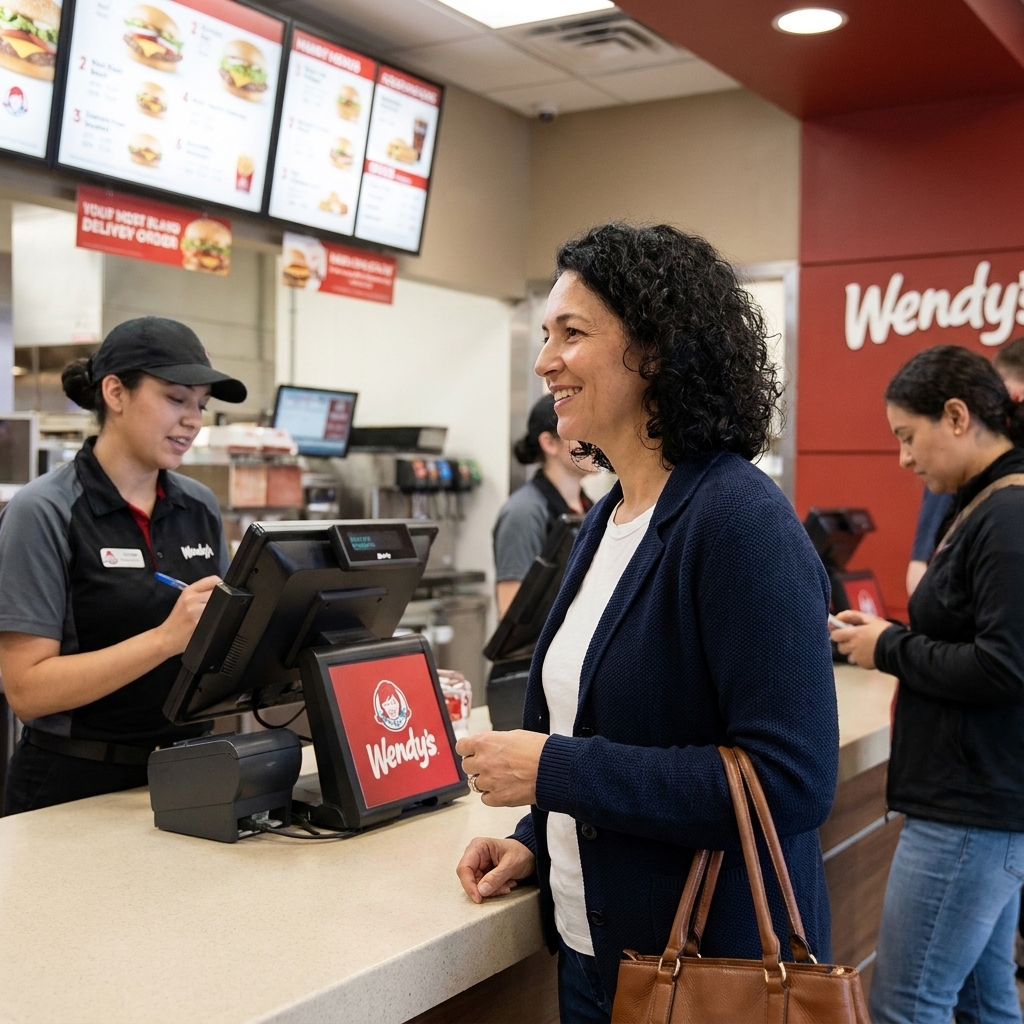
“Sir, This Is a Wendy’s” and the Implied Scenario
I learned to appreciate “Sir, this is a Wendy’s” the same way I learned most of the internet’s best catchphrases: while moderating a thread that started as a harmless question and somehow turned into a 900-word manifesto about a video game character’s moral alignment. Someone dropped “sir this is a...
Read more →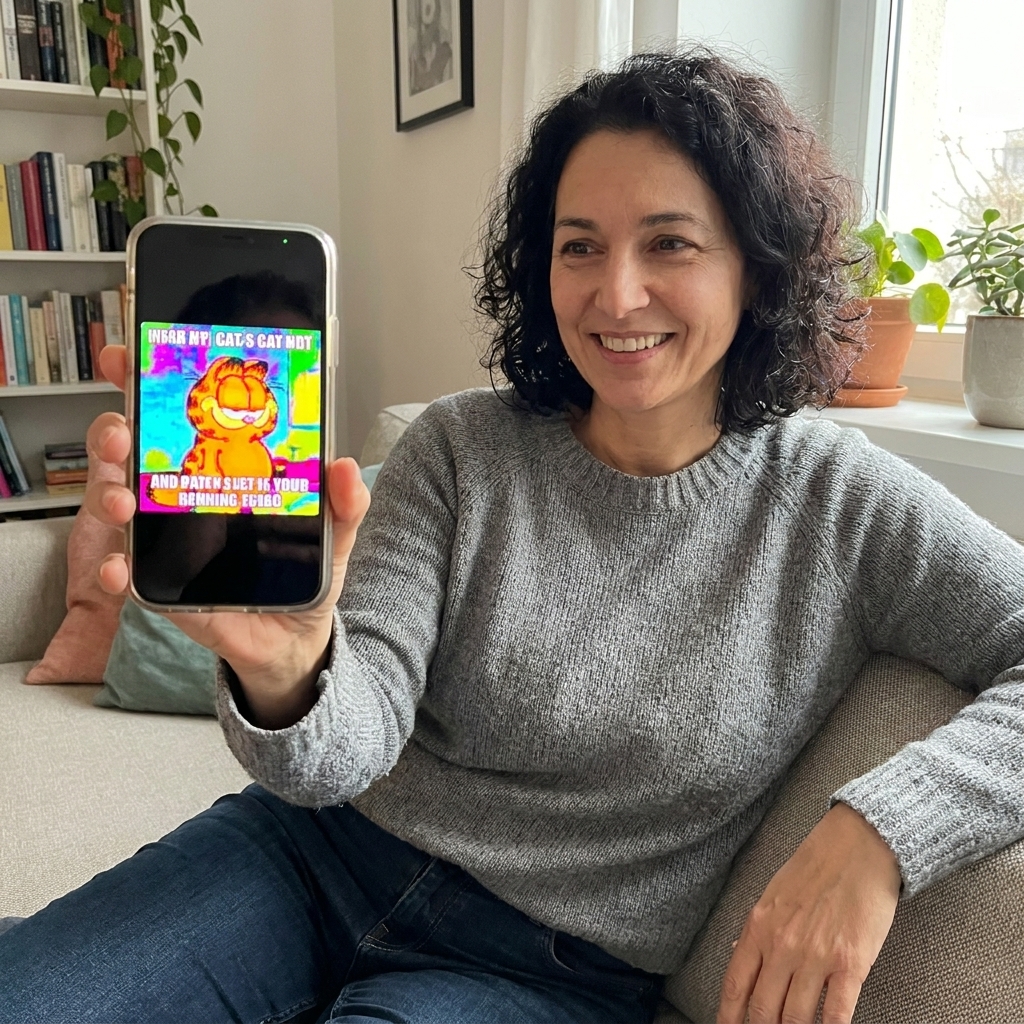
Absurdist Memes: Reading the Joke When Context Is Missing
I learned to love internet chaos the same way I learned to moderate it: one baffling post at a time. Back on message boards, you could usually quote-reply your way to clarity. Someone would explain the reference, someone else would argue about it, and a third person would post a reaction GIF that...
Read more →
Starter Pack Memes, Explained
I learned to take starter pack memes seriously the same way I learned to take reaction images seriously: by moderating comment sections where one picture can do the work of a 200-post argument. A starter pack looks simple, sometimes even lazy, but it is basically a tiny visual dictionary entry for...
Read more →
Greentext: How > Arrows Tell the Story
I learned to read greentext the same way I learned to read mood in old message boards: by watching how people format their words when they want you to hear a voice in your head. With greentext, that voice is usually anonymous, slightly deadpan, and already halfway to “and then it got worse.” At a...
Read more →
News Cycle Memes and the Slang They Hide Inside
One of the strangest parts of being online long enough to remember message boards is watching language turn into a day pass. A headline breaks, everyone quote-posts (yes, quote-tweets, too) the same clip, and suddenly your group chat is speaking in what looks like nonsense. Not because the words...
Read more →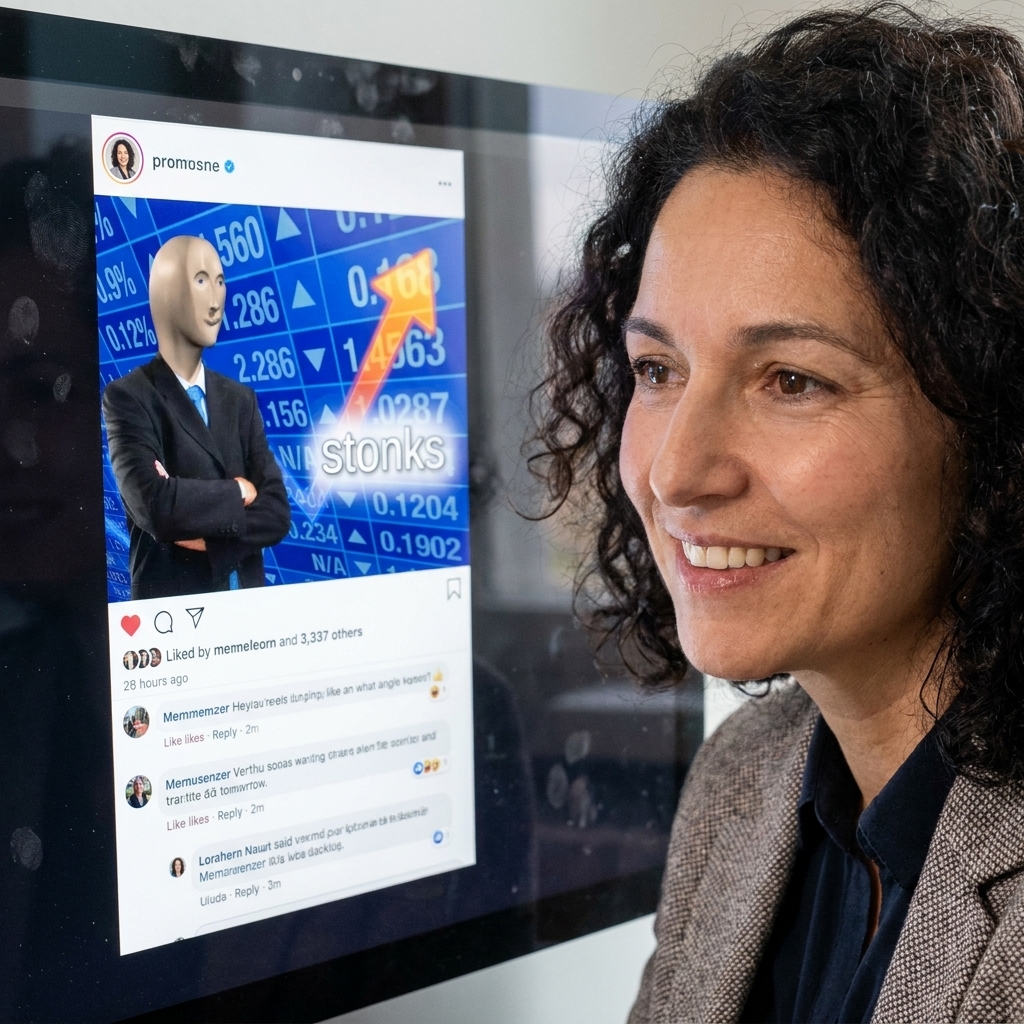
Why Memes Misspell On Purpose: Stonks, Smol, and Instant Tone
I have moderated enough comment sections to know this: people will forgive a hot take faster than they will forgive a typo. So when memes are full of “wrong” spellings like stonks and smol , it is not because the internet forgot how to spell. It is because misspelling is doing a job. In meme...
Read more →
Decoding Copypastas
One of my favorite internet moments is watching a giant wall of text land in the “wrong” place on purpose. In one forum it reads like annoying spam. In another it gets upvoted as a perfectly timed punchline. That whiplash is basically the whole point of copypasta. Copypastas are not just “copy and...
Read more →
The POV Meme Explained
Back when I was moderating big gaming and pop culture groups, “POV” was one of those tiny labels that caused disproportionately large arguments. Someone would post a meme that said POV: you walked into the group chat late , and half the replies would be people yelling that the camera angle is...
Read more →
Snowclone Memes and Context
I learned what a snowclone was the same way I suspect a lot of us do online: by moderating yet another comments section where two people were having completely different conversations while using the exact same words. One person posts “She’s a 10 but…” with a harmless punchline about leaving...
Read more →