
In context
The “-core” Suffix Explained

Published · Last updated
I learned to take aesthetics seriously the same way I learned to take usernames seriously in early message boards: the literal words matter less than the vibe they are trying to signal. Today, the vibe has a suffix.
On fashion and lifestyle TikTok, “-core” is basically a shorthand label for an aesthetic micro-trend. But the trick is this: the name rarely tells you everything. The real definition is in the visuals.
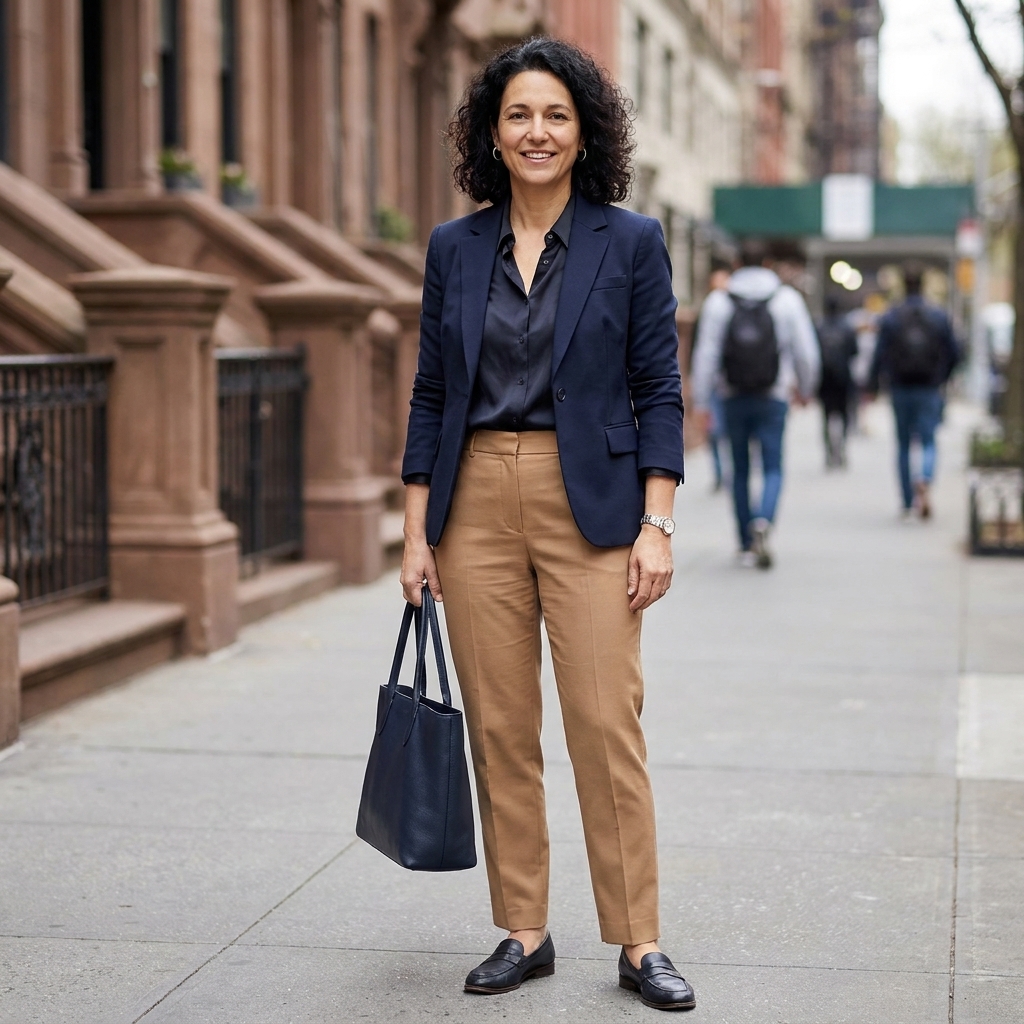
What “-core” means
The “-core” suffix turns a concept into a recognizable aesthetic package. Think of it as: theme + repeated visual cues = a “core”.
It usually implies more than one outfit. A “core” often bundles:
- Clothes (silhouettes, fabrics, staples)
- Color story (the palette that keeps showing up)
- Props (books, cameras, earbuds, tote bags, specific drinks)
- Settings (cafes, forests, bedrooms, lockers, museums)
- Editing style (warm grain, cool crisp lighting, flash, washed-out neutrals)
So when you see something like “cottagecore,” “gorpcore,” or “balletcore,” you are not looking at a strict dictionary term. You are looking at a community-made label that points to a cluster of visuals.
If you want a broader “how do I decode TikTok language” approach, I have a longer breakdown here: How to Read TikTok Slang With Context Clues.
Why visuals beat the label
“-core” names are often playful, ironic, or intentionally squishy. Two creators can use the same “core” word while styling it totally differently, and both will get understood because the visual grammar does the heavy lifting.
When people argue about what counts as a specific “core,” they are usually arguing about which visuals are required and which are optional.
That is also why you will see fast spin-offs. Once an aesthetic has a few recognizable building blocks, it becomes easy to remix. New name, same bones.
Also worth noting: hashtags drift. Once a “core” name gets popular, people use it loosely, the feed broadens, and the meaning gets fuzzier over time.
Where “-core” came from
“Core” was floating around online long before TikTok. Part of the DNA comes from words like “hardcore,” where “core” signals a committed, recognizable version of something.
Over the years, internet communities used “-core” labels to name looks, tastes, and scenes, and TikTok helped make it feel like a repeatable system. Short videos, strong visuals, and the way people browse by hashtag and recommendation loops all favor aesthetics you can recognize in half a second.
Part of why “-core” stuck is that it is easy to tag and search. You can slap it on an outfit video, a playlist, or a room tour, and people who like that vibe can find more of it fast.
How to decode a new “-core”
When you see a new “-core” word you have never heard before, do not panic and do not assume it has one official definition. Use this quick checklist instead.
1) Find the repeated palette
Color is often the most consistent signal because it is the first thing you notice, and it tends to repeat across posts in a way your brain can track.
- Neutrals often signal minimalism, “clean,” “quiet,” or “old money” adjacent vibes.
- Pastels often pull sweet, dreamy, soft-girl, or nostalgic cues.
- Earth tones often point outdoorsy, rustic, vintage, or craft-coded aesthetics.
- High contrast (black and white, sharp pops of red) often reads editorial, goth, punk, or intentionally stylized.
2) Clock the textures
Textures are like accent marks in aesthetic language. They narrow the meaning fast.
- Linen, cotton, crochet feel handmade, breezy, pastoral.
- Leather, metal hardware leans edgy, biker, club, punk, moto.
- Fleece, technical nylon, hiking gear points gorpcore or outdoors utility.
- Satin, tulle, ribbons tends to map to balletcore and romantic styles.
3) Look at the silhouette rules
Most “cores” have silhouette preferences, even when creators do not state them explicitly.
- Is everything oversized and slouchy, or fitted and structured?
- Are waists emphasized, or intentionally de-emphasized?
- Are hemlines mini, midi, or long and flowing?
4) Check the setting and props
Props are rarely random in “core” videos. They work like stage dressing.
- Matcha, Pilates studios, spotless counters often accompany clean-girl or wellness-coded “cores.”
- Old books, cafés, fountain pens, museums tend to signal dark academia or bookish variants.
- Carabiners, trail snacks, windbreakers are dead giveaways for outdoors utility aesthetics.
5) Notice the camera and edit style
Lighting and filters can be part of the aesthetic. A “core” is not just the clothes, it is how the world looks in that video.
- Warm grain often equals nostalgic, analog, cozy.
- Cool bright lighting often equals crisp, modern, minimalist.
- Flash can signal party, indie sleaze, Y2K throwback, or intentional messiness.

Common “-core” families
Not every “-core” is strictly fashion. Some are lifestyle moodboards with outfits attached. Here are a few big families so you can place new micro-trends in the right neighborhood.
Nostalgia cores
These borrow from a time period or a media memory.
- Visual clues: film grain, flash, thrift textures, era-coded accessories (like chunky hair clips, tiny sunglasses, or wired headphones, depending on the throwback)
- Common move: mixing one “period piece” item with modern basics
Nature and outdoors cores
These lean on practical gear, earthy palettes, and “I am outside on purpose” settings.
- Visual clues: trail shots, puffer layers, hiking shoes, technical fabrics, backpacks
- Common move: utility as style, not just function
Romantic and soft cores
These center sweetness, delicacy, and vintage-inspired femininity, but can swing modern depending on the creator.
- Visual clues: ribbons, tulle, ballet flats, soft waves, light pinks and creams
- Common move: emphasizing movement and softness in fabric
Scholarly and bookish cores
These aesthetics are set-dressed like a library fantasy.
- Visual clues: dark wood, tweed textures, notebooks, coffee, candlelight, classic literature props
- Common move: layering and structured outerwear
If you like watching how platform language mutates, this is related reading: How Slang Shifts on Reddit vs Twitter. The same word can land differently depending on where people “perform” it.
When “-core” is real vs a bit
Some “cores” are earnest style identities. Others are knowingly silly, like a label you toss onto a hyper-specific vibe for comedic precision.
Here is how to tell which one you are dealing with:
- If the visuals are consistent across many creators, it is likely an established aesthetic community.
- If the word is oddly specific and the visuals feel like a punchline, it is probably a joke-core or a one-week micro-meme.
- If the caption is layered with irony, it may be using “-core” the way people use memes: as a wink, not a wardrobe plan.
This is also where tone matters a lot, especially in comments. If you want a guide to reading the vibe without spiraling, you might like: Irony in Internet Slang.
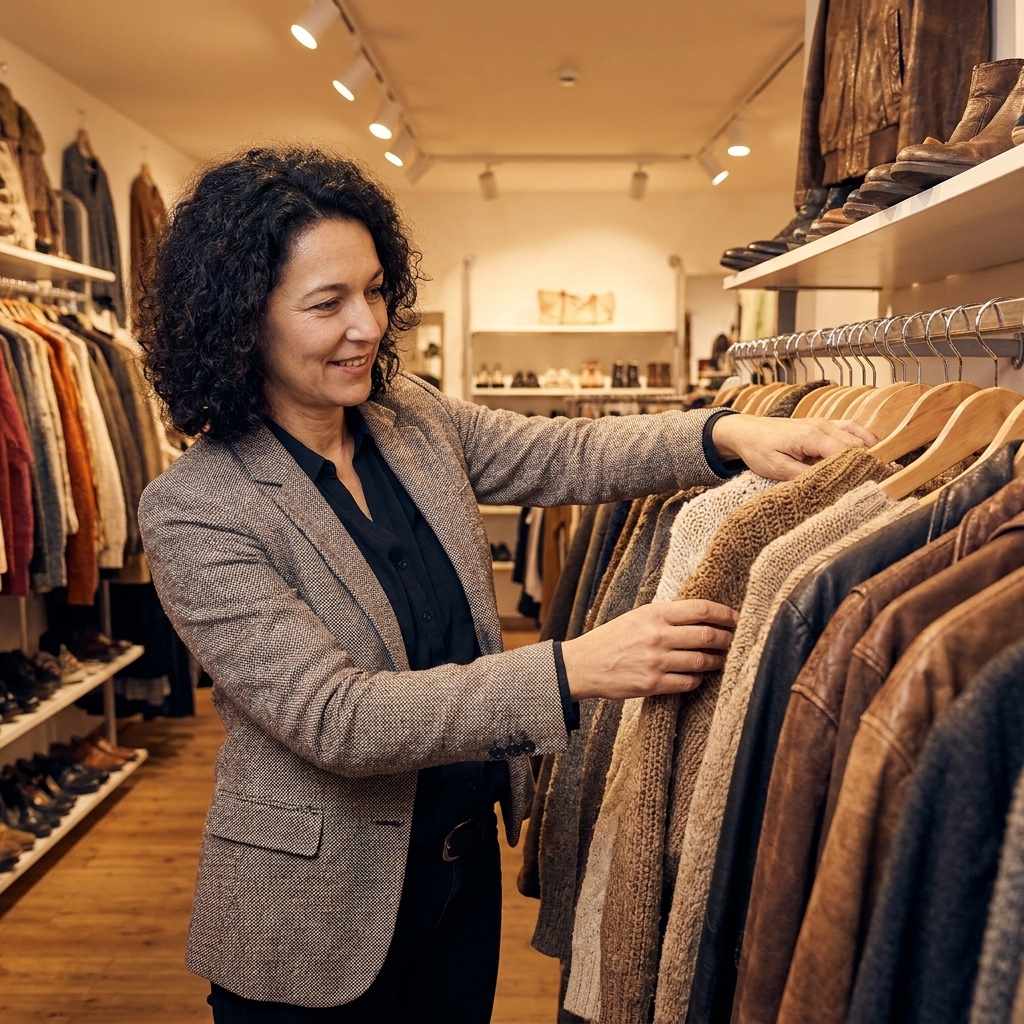
How to use context safely
My moderator brain wants you to know this: you can do everything “right” and still have someone reply “that is not real ___core.” That is normal. Aesthetics are community-made, and communities love boundaries.
If you want to participate without stepping on landmines, try these low-stakes moves:
- Describe what you see before you commit to a label. Example: “soft neutrals, slick bun, gold hoops” tells people your reference points.
- Use “___core-ish” when you are testing the waters.
- Ask for the defining details: “Is it the palette, the silhouettes, or the setting that makes it ___core?”
- Save three examples that look similar and compare the overlaps. The overlaps are the real “definition.”
Mini glossary
- Palette: The repeated color story across outfits and backgrounds.
- Silhouette: The overall shapes: fitted, oversized, boxy, flowing.
- Texture: Materials like denim, linen, leather, satin, fleece, knit.
- Accessories: The “signal” items that instantly place the vibe.
- Set dressing: The room, cafe, trail, or street that completes the fantasy.
- Filter/edit: The lighting and color grading that makes the world look like the aesthetic.
FAQ
Is “-core” the same as “aesthetic”?
Pretty close. “-core” is a way of naming an aesthetic so it can travel fast. “Aesthetic” is the bigger umbrella. You can have an aesthetic without calling it a “core,” but on TikTok the “-core” label helps people sort and share it.
Why do new “cores” pop up so quickly?
Because the ingredients are remixable. Once people recognize the format, it is easy to coin a new label, swap a few visual cues, and suddenly you have a fresh micro-trend.
How do I tell the difference between two similar cores?
Ignore the names for a minute and compare: palette, textures, setting, and accessories. Usually one of those categories is doing the differentiating.
Do I have to dress that way to “get” the trend?
Not at all. Think of “-core” as a visual language. You can understand a language without speaking it every day.