
In context
Starter Pack Memes, Explained

Published
I learned to take starter pack memes seriously the same way I learned to take reaction images seriously: by moderating comment sections where one picture can do the work of a 200-post argument. A starter pack looks simple, sometimes even lazy, but it is basically a tiny visual dictionary entry for a very specific kind of person, vibe, or habit.
When someone posts a “starter pack,” they are not just listing items. They are handing you the context clues you would normally need weeks of lurking to pick up. If you have ever felt like you understood every word in a caption but still missed the joke, starter packs are often the missing bridge.
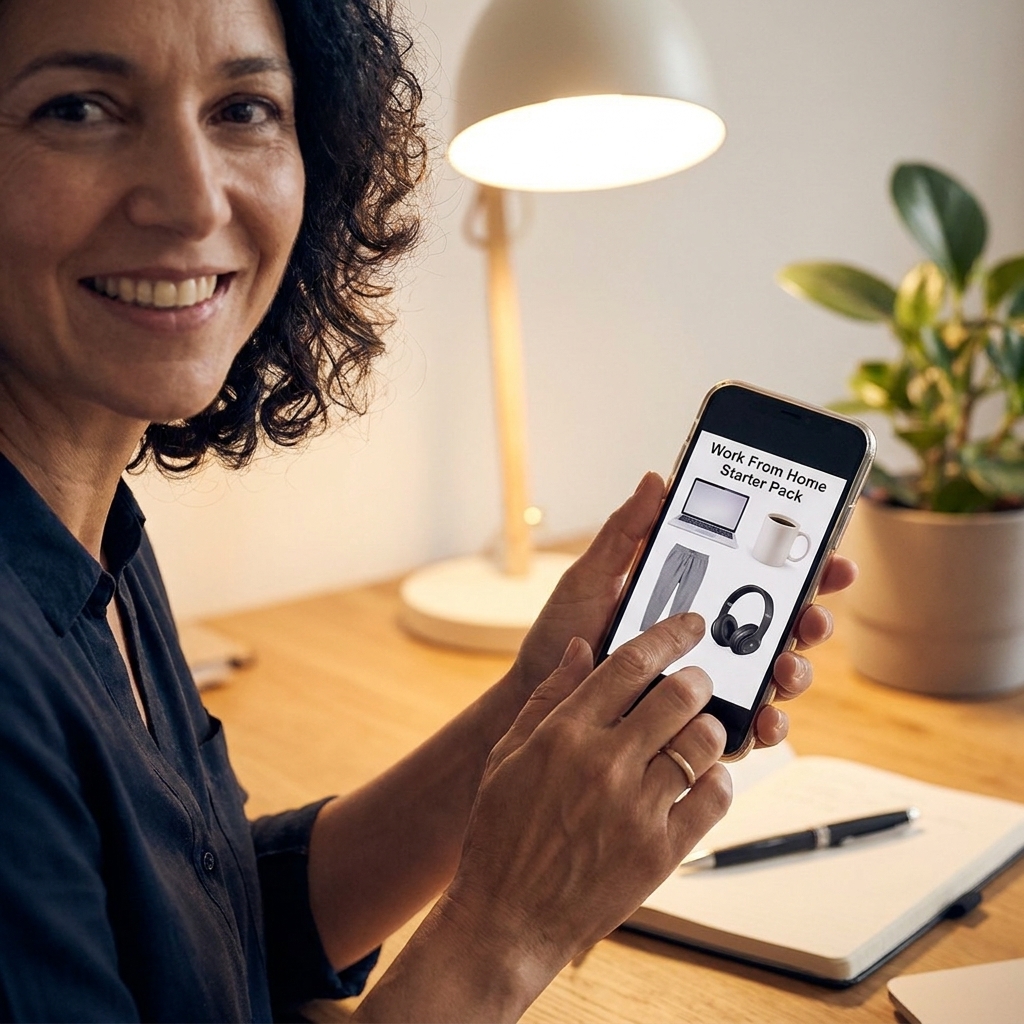
What a starter pack meme is
A starter pack meme is a post that groups a handful of recognizable items, habits, fashion choices, or “tells” to describe a niche stereotype. Think of it as: “If you see these ingredients together, you are probably looking at this type of person.”
Most starter packs include:
- Concrete objects (a specific drink, shoes, a phone model, a skincare product)
- Visual aesthetics (a color palette, a hair style, a type of selfie)
- Platform behaviors (posting style, caption voice, favorite emojis)
- One label that anchors the stereotype (the “starter pack” title)
They are especially useful for slang because the slang label is often vague on its own. The images supply the lived meaning.
Why starter packs decode slang well
In plain language: starter packs do what dictionaries cannot. A dictionary can tell you what a word means, but it cannot easily show you the vibe, the social group, the tone, and the implied judgment all at once.
They bundle “denotation” and “connotation”
The label is the denotation, the basic “what it refers to.” The items are the connotation, the “how people feel about it” layer. That is why starter packs can feel either affectionate or brutal depending on who made them.
They work like a visual punchline
The humor often comes from recognition. Even if you have never used the term, you might recognize the pattern of items and suddenly go, “Oh. I know exactly who this is about.” That click is the meme working.
They show you a term’s boundary
A lot of internet persona terms are squishy. Starter packs act like an informal boundary line: this term does not just mean “likes coffee,” it means “likes this coffee, posted this way, with this attitude.”
If you like learning slang through context, you will probably enjoy our general approach in Work Out Unfamiliar Internet Slang and the bigger picture in The Lifecycle of Internet Slang.
How to read a starter pack
When you are trying to decode a starter pack, do not start with the title. Start with the objects, because the objects are usually more honest.
1) Find the anchor item
There is usually one item doing the most work. It might be a particular shoe, a brand, a haircut, a screenshot style, or a very specific snack. That anchor tells you the culture neighborhood this meme lives in.
2) Split markers from behaviors
- Identity markers: style choices, taste signals, media preferences
- Behaviors: how they text, how they post, what they argue about, what they refuse to do
This matters because identity markers are easier to parody, while behaviors are where the stereotype usually turns into critique.
3) Ask: kind, neutral, or mean
Starter packs can be:
- Affectionate: “my people do this and it is funny”
- Observational: “this is a recognizable pattern”
- Derogatory: “I am using this to dunk on you”
That tone changes how you should interpret the label. This is also why I recommend thinking about tone the way we do in Irony in Internet Slang and, for text-only posts, Tone Indicators.
4) Notice what is missing
Starter packs are curated. What they leave out is sometimes the point. If a stereotype is about a whole worldview, the starter pack might only show the safe-to-post surface layer, letting viewers fill in the rest.
How items create meaning
A single object rarely equals a stereotype. Starter packs work because the items combine into a pattern, like a chord rather than one note.
Common item roles
- Status tell: a brand that signals money, or a “budget flex” that signals being savvy
- Scene marker: festival gear, gym accessories, a campus landmark vibe
- Personality shorthand: crystals, productivity notebooks, gaming peripherals
- Platform dialect: a particular meme font style, screenshot format, or caption rhythm
- Contradiction: two items that “should not” go together, suggesting hypocrisy or irony
This is the same reason reaction images are so powerful: visuals carry social context at speed. If you like that angle, Visual Slang: Reaction Images is the sibling article to this one.

Common starter pack patterns
I am going to keep these examples at the “pattern” level instead of naming specific targets, because starter packs rotate fast and the internet is very talented at making yesterday’s harmless joke into today’s dog whistle.
The aesthetic persona
These starter packs are built from fashion, decor, and color palette cues. The label usually describes a “type” you could spot in public. The joke is recognition.
The behavior persona
These are built from things people do: how they date, argue, drive, text, or order food. Often the label is a slang term that sounds neutral until the items reveal the implied criticism.
The platform-native persona
Some starter packs only make sense on the platform they came from. A screenshot format, an inside-joke phrase, and a very specific kind of comment section discourse can be the whole punchline. This is why slang shifts by platform, something we get into in How Slang Shifts on Reddit vs Twitter.
The micro-subculture persona
These rely on niche knowledge: fandoms, gaming scenes, music microgenres, local college stereotypes. If you do not know the anchor item, you will miss the whole meme. That is normal. Starter packs are often made for insiders first.
When starter packs go wrong
Because starter packs compress a lot into a little, they also compress nuance. A few watch-outs:
They can flatten communities
Sometimes a starter pack reduces a real culture or identity into a handful of consumer items. If the punchline depends on turning a community into an outfit, it is worth asking who is laughing and who is getting labeled.
This gets especially sensitive when internet slang is pulled from AAVE, ballroom culture, or other communities that are frequently borrowed from without credit. Context matters a lot here, and we talk about that directly in Ballroom, AAVE, and the Internet: Why Context Matters.
They can hide moral judgment
A starter pack can look like playful teasing while actually communicating “this person is fake,” “this person is unsafe,” or “this person is cringe.” If the items are all harmless but the comments are vicious, you are seeing how the label is functioning socially.
They can become brand landmines
Brands sometimes try to join in and accidentally roast their own audience, or they adopt a stereotype they do not understand. If you have ever seen a company tweet that instantly became a reply-guy buffet, that is the same dynamic. Related reading: Brand Fails and Slang.
If someone tags you
As a former moderator, this is where I put on my “keep the peace” hat.
- Check the tone first. Is it affectionate (friend teasing) or meant to embarrass you publicly?
- Respond to the intention, not the objects. Arguing about the accuracy of the items usually escalates the joke.
- If it is mean, go boring. A simple “ok” or no response deprives it of oxygen.
- If it is your friend group, remix it. Making your own version is often the cleanest “I am in on it” signal.
And if you are reading this because a teen in your life is suddenly speaking in memes, A Parent’s Guide to Teen Texting Slang pairs nicely with understanding formats like this.
Make one without being weird
Starter packs are fun when they feel like a wink, not a verdict. If you want to make one that lands:
- Pick a behavior you have permission to tease. Usually that means you are part of the group, or you are punching up, not down.
- Use specific items, not identity traits. “Wears X shoe” reads different from “is X kind of person.”
- Add one unexpected detail. The best starter packs have one item that makes insiders laugh because it is too real.
- Avoid making it a harassment magnet. If the label is basically a dunk keyword, consider choosing a softer phrasing.
If you want a broader primer on meme formats and how they carry meaning, start at Guide to Memes.

Starter pack meme FAQ
Are starter packs always insulting
No. Many are affectionate or self-deprecating. The key is who is posting it, who is being described, and how the comments react. The same format can be a hug or a pile-on.
Where did starter packs come from
The format grew out of older internet habits: forums and early social media loved “starter kit” jokes, list posts, and image macros that labeled a recognizable type. Starter packs are the modern, faster-scrolling version of that impulse.
Why do starter packs feel accurate
Because they use recognition triggers: common objects that many people associate with a scene. Your brain fills in the gaps. It is the same mental shortcut that makes stereotypes sticky, which is why it is good to keep a little skepticism in your pocket.
How do I decode one if I do not know the items
Look up one anchor item, usually the most specific brand or object. Then read comments for repeated phrases. You are basically doing fieldwork: collect context clues until the label starts making sense.