
In context
The Slang of Live-Tweeting

Published
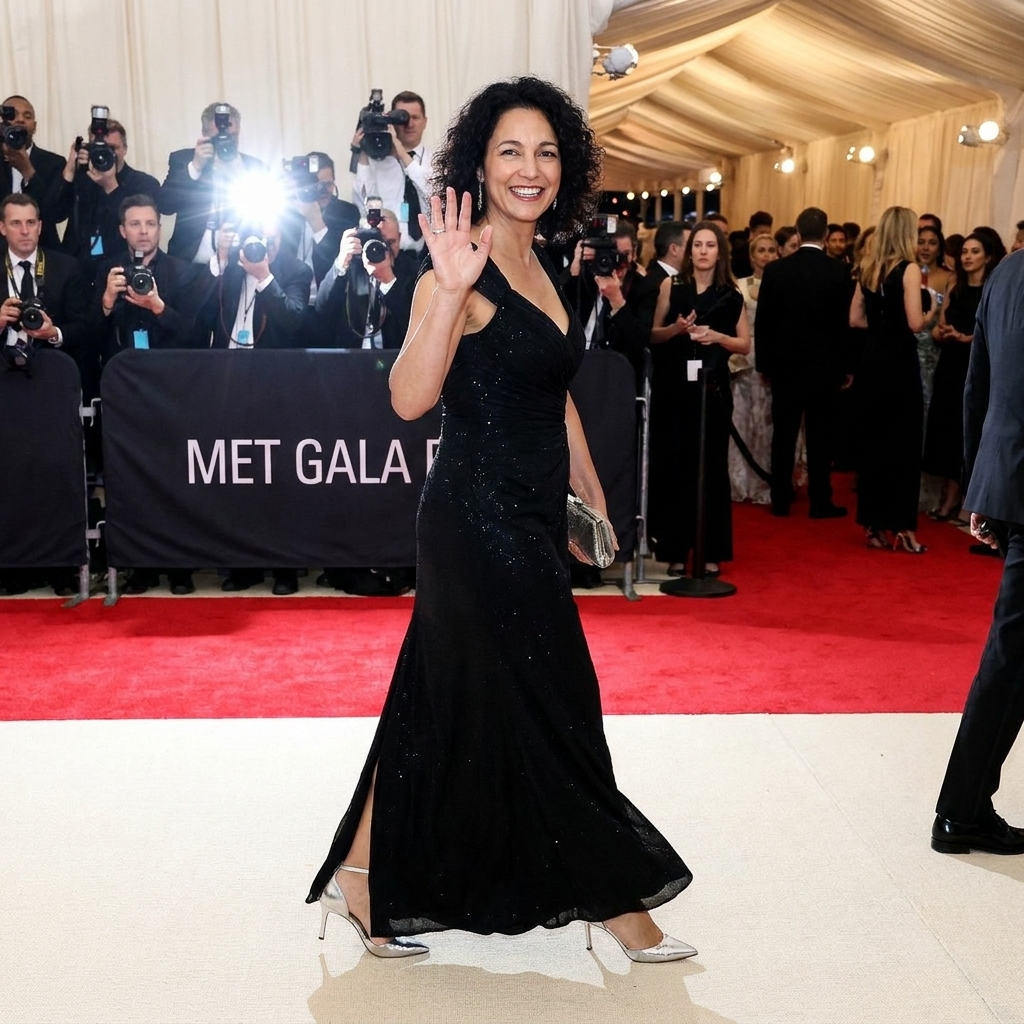
I learned to read live-tweets the way I learned to read chaotic forum threads back in the message board days: you do not try to understand every single word. You try to understand the moment. During pop culture events like the Oscars, the Met Gala, or a surprise album drop, the timeline moves so fast that slang gets used like shorthand for shared context. If you missed one beat, you can feel like you walked into a conversation mid-sentence.
This is your cheat code: live-tweeting slang is usually not “new language.” It is often a fast label for (1) what just happened on screen, (2) how people feel about it, and (3) which side of a long-running fandom debate they are on. And yes, sometimes a live event mints a one-night nickname or phrase that burns bright and disappears by morning. That is part of the fun and part of the confusion.
Why live-tweeting slang hits different
Live-tweeting slang is built for speed, not clarity. People are typing with one eye on the screen and one eye on the timeline, so you will see:
- Compressed reactions (one acronym can replace three sentences of opinion)
- Group references (fandom nicknames, ship names, stan language)
- Context stacking (a joke that relies on earlier memes, past scandals, and this exact camera angle)
- Tone signals (irony, disbelief, affection, or shade packed into tiny cues)
Also, “live-tweeting” is not just Twitter or X anymore. People follow the same moment through TikTok comments, Instagram Stories, Discord servers, and Reddit live threads, then the language bleeds across platforms. The vibe travels faster than the clip.
If you want the broader foundation for how slang changes meaning depending on where it is used, start with Work Out Unfamiliar Internet Slang. That exact skill is what live events demand, just at triple speed.
The three-glance method
When an acronym or slang term is trending mid-event, do this before you Google it.
Glance 1: Read the quote tweets
Quote tweets often restate the meaning in plain language, even when the original post is pure shorthand. Look for people who are:
- Explaining for their followers (“For anyone confused, this means…”)
- Arguing (“No, it is not X, it is Y”)
- Posting a reaction image (basically a tone translation)
Small reality check: quote tweets are not always visible. Sometimes they are limited, hidden, or you are looking at a repost where the quote context got stripped. Use this step when it is available, then move on.
If reaction images are doing most of the communication, you will like Visual Slang: Reaction Images That Rewrite Your Words.
Glance 2: Identify the target
Most live-tweeting slang points at a target. Ask: who or what is this about?
- A person (host, presenter, nominee, designer, celebrity couple)
- A moment (a speech, a fall, a snub, a joke that landed badly)
- A look (outfit, glam, styling, “theme compliance”)
- A storyline (industry politics, old beef, fan wars)
Once you know the target, the acronym is usually either praise, drag, disbelief, or an inside wink to the lore.
Glance 3: Check the adjacent words
Even if you do not know the acronym, the words around it tend to give away the category:
- Approval words: “ate,” “served,” “no notes,” “queen,” “standing ovation”
- Disapproval words: “cringe,” “flop,” “embarrassing,” “yikes,” “pack it up”
- Disbelief words: “????,” “I beg your pardon,” “did that just happen,” “we are in hell”
- Irony markers: “sure,” “bestie,” “congrats I guess,” “lmao,” “😭”
If you keep getting tripped up by ironic praise versus sincere praise, bookmark Irony in Internet Slang. It is basically the hard mode of live-tweeting.
A quick worked example
Let us say you see this mid-awards show:
Tweet: “That presenter said it with their whole chest… IJBOL. This is sending me.”
Here is the three-glance decode:
- Glance 1 (quote tweets): you might see someone reply, “IJBOL = laughing so hard I cannot breathe,” or “Why are y’all being mean, it was just awkward.” Even when people disagree, they reveal the vibe.
- Glance 2 (target): the target is the presenter and the specific line they said.
- Glance 3 (adjacent words): “sending me” plus “said it with their whole chest” points to disbelief-laughter, not solemn critique.
So even if you do not treat IJBOL as a literal acronym, you still land on the meaning: loud, immediate laughing at chaos.
Common live-tweeting slang
Live events recycle the same types of slang over and over. Here are the big buckets to recognize.
1) That was iconic
- ate / ate that: delivered flawlessly. “She ate that monologue.”
- served: strong, intentional, camera-ready. Often fashion. “He served villain realness.”
- no notes: nothing to critique. “No notes on that performance.”
- icon behavior: instantly memeable excellence.
2) This is a mess
- cringe: secondhand embarrassment.
- flop: failed to land or impress. “That joke flopped.”
- painful: you can feel the audience watching through their fingers.
- it is giving…: “the vibe is…” often used for gentle drag. “It is giving high school talent show.”
3) Fandom, stan, and lore shorthand
During big events, stan culture turns into live sports commentary. If you do not know the fanbase nicknames or the backstory, it can feel like everyone is speaking in code.
- stan: an intense fan, or to actively support. “I stan.”
- main character: someone pulling focus, intentionally or not.
- lore: the backstory that makes a moment hit harder.
- in her/his/their era: a dominant phase. “She is in her award season era.”
If stan culture terms are what keep throwing you, I wrote a deeper walkthrough here: Decoding Stan Culture Slang.
4) Sarcasm and soft shade
Live-tweets are rarely neutral. Even compliments can be backhanded, and even insults can be affectionate. Watch for tone.
- bestie: friendly on the surface, often sarcastic. “Bestie what are you doing.”
- respectfully: frequently a warning label. “Respectfully, that dress is a crime.”
- IJBOL: often glossed as “I just burst out laughing,” but in practice it is also used like a stronger, more specific “I am losing it.”
- the way I screamed: exaggerated reaction, can be positive or horrified. “The way I screamed at that cutaway.”
When people want to clarify that they are joking, they may add tone indicators. If you keep seeing tags like “/j” or “/s,” see Tone Indicators /s /j and Instant Context.
Keep up without burning out
You do not need to “do live-tweeting right” to enjoy the event. But if you want to follow the slang without spiraling, here are the strategies that work.
Follow the moment
Pick one thread (fashion, speeches, performances, memes) and stick to it for five minutes. Live-tweeting slang makes more sense in clusters, because everyone is reacting to the same clip.
Use the replay loop
If you are watching with a delay or you can rewind, do it. Live slang often references the exact facial expression, camera cut, or awkward pause. One rewatch can translate twenty tweets.
Find the explainers
Every live event has a few people who naturally summarize: “Ok, here is what happened,” “Context,” “Timeline.” They are the unofficial interpreters.
Do not turn it into a vocab test
Acronyms during pop culture events are frequently:
- Inside jokes that vanish after the night ends
- Reused fandom shorthand that only matters in that corner
- Emotion labels (laughing, screaming, secondhand embarrassment)
Sometimes the correct move is: understand the vibe and keep scrolling.
Fast tells for meaning
When you see a term you do not know, these clues narrow it down quickly.
If it is with a fashion photo
Assume it is about styling, theme, or glam.
- slay: looks amazing
- camp: deliberately exaggerated, theatrical, often with an ironic wink
- realness: convincingly embodying a vibe or archetype
- fit: outfit
If it is with a speech clip
Assume it is about sincerity versus performance.
- PR: sounds rehearsed or brand-managed
- performative: feels like optics, not authenticity
- they cooked: unexpectedly did well
If it is with “y’all” and punctuation chaos
Assume it is disbelief or mess.
- ????: confusion or shock
- HELLO???: calling out a wild choice
- this is sending me: laughing hard, sometimes at the absurdity
Mini glossary: acronyms you will see
Meanings can shift by community, but these are common uses during big pop culture nights.
- lol / lmao / lmfao: laughing, with increasing intensity. Often used to soften criticism.
- omg: surprise, excitement, disbelief.
- fr: “for real,” agreement or emphasis.
- ngl: “not gonna lie,” usually a blunt opinion incoming.
- idk: “I don’t know,” uncertainty, disbelief, or playing it cool.
- iktr: “I know that’s right,” enthusiastic agreement.
- smh: “shaking my head,” disapproval or exhausted amusement.
- tbh: “to be honest,” another warning label for a strong take.
- iykyk: “if you know, you know,” signals inside context.
- fwiw: “for what it’s worth,” adding a take with a little distance.
- ETA: “edited to add,” more common on forums and Reddit, but you will sometimes see it on fast-moving live threads elsewhere too.
A quick reminder from the moderator part of my brain: if you are seeing an acronym used as a weapon in a dogpile, step back. Live-tweeting can turn into a sport, and not the fun kind.
When it is actually a meme
Some of the fastest-moving live-tweeting language is not slang at all. It is meme shorthand. Someone posts a familiar phrase, and everybody else supplies the rest in their head.
If you keep seeing a phrase that feels oddly specific, it might be a meme quote being repurposed for the event. That is why it can look like nonsense out of context and feel obvious to everyone else.
Two good starting points when that happens:
- Guide to Memes for how meme references work
- The Lifecycle of Internet Slang for how catchphrases rise, peak, and fade

Etiquette basics
If you are jumping into live-tweeting slang midstream, here are the three easiest ways to avoid accidental weirdness.
Do not borrow stan language lightly
Calling yourself a “stan” of someone can read stronger than “I like them.” If you mean “I enjoyed that performance,” you can just say that. Fandom communities use these words with real intensity.
Be careful with AAVE and borrowed phrases
A lot of internet slang originates in Black communities and gets spread outward. If a phrase feels powerful but you are not sure how it is used, watch how people who are fluent in that dialect use it before you try it on in a high-stakes moment.
Use tone markers when teasing
Live-tweeting is text-only and fast. If you are joking and you know your wording could be read as mean, adding a small signal can help.
- “(joking)”
- “/j”
- “said with love”
Quick FAQ
Why does everyone suddenly use the same word during an event?
Because live-tweeting is a chorus. One person lands a perfect label for the moment, and everyone repeats it because it saves time and signals shared understanding.
How can I tell if “ate” is sincere or sarcastic?
Look at what follows. If it is paired with praise (styling, talent, “no notes”), it is sincere. If it is paired with a messy clip, a reaction image, or “bestie…” energy, it may be ironic. This is where irony clues matter more than dictionary definitions.
What if I cannot figure out the acronym at all?
That is normal. Some acronyms are micro-community shorthand, or they are invented on the spot for that one night. If you can identify the target and the emotion, you have already decoded the tweet well enough to follow the conversation.
Is live-tweeting slang different on TikTok?
Yes. TikTok relies more on audio, captions, and repeatable formats, so the “slang” often arrives as a sound, a caption style, or a comment pattern. If you want that skill set, see How to Read TikTok Slang With Context Clues.
The right mindset
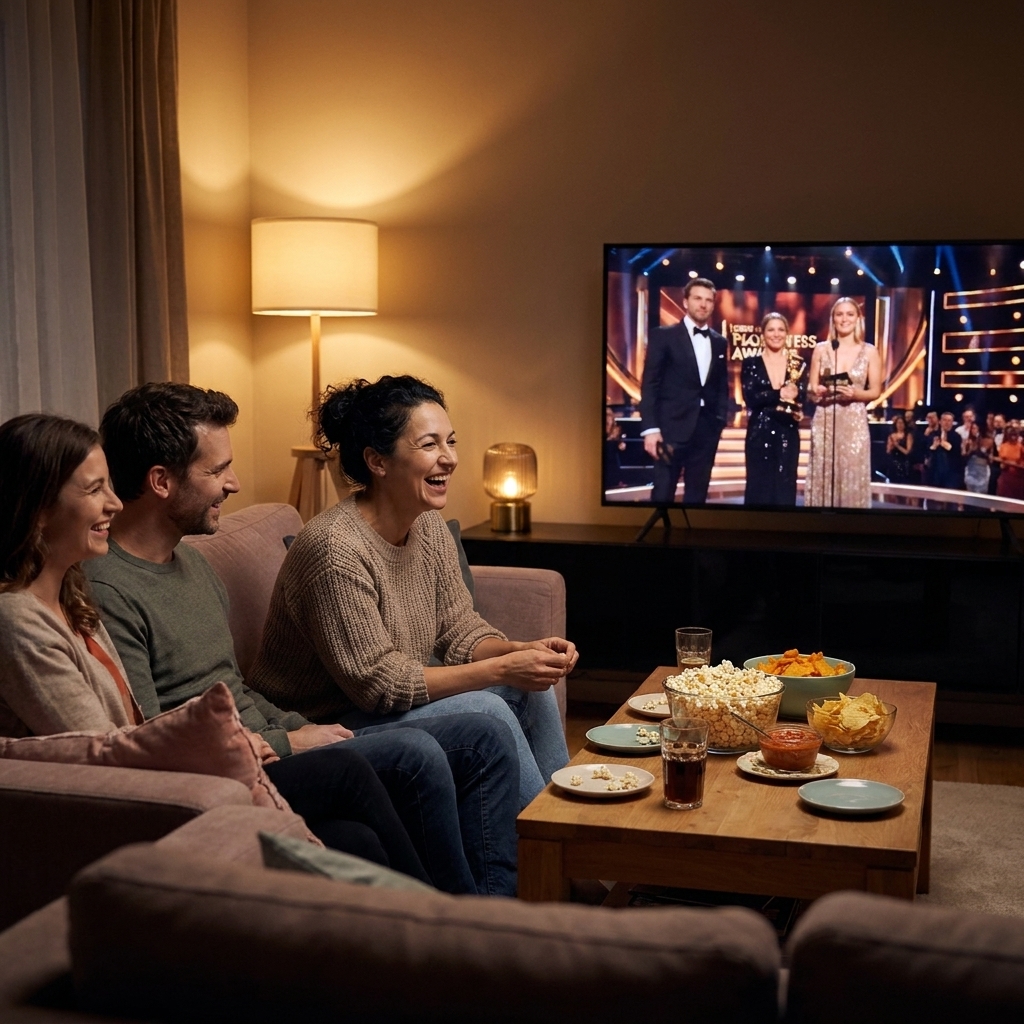
Live-tweeting is less like reading a news report and more like sitting in a loud living room where everyone is yelling at the TV. The slang is part scoreboard, part inside joke, part emotional stenography.
Once you start watching for who a tweet is about, what just happened, and what emotion the slang is carrying, the timeline stops feeling like a wall of random acronyms and starts feeling like what it is: a very fast, very communal way of reacting in real time.