
In context
“Sir, This Is a Wendy’s” and the Implied Scenario

Published
I learned to appreciate “Sir, this is a Wendy’s” the same way I learned most of the internet’s best catchphrases: while moderating a thread that started as a harmless question and somehow turned into a 900-word manifesto about a video game character’s moral alignment. Someone dropped “sir this is a wendy’s” and the thread’s temperature instantly changed. No one needed a longer explanation. The phrase was the explanation.
That is the magic of situational meme catchphrases. They are not just quotes. They are tiny, portable implied scenarios you can paste onto a conversation to point out how strange the moment has become.
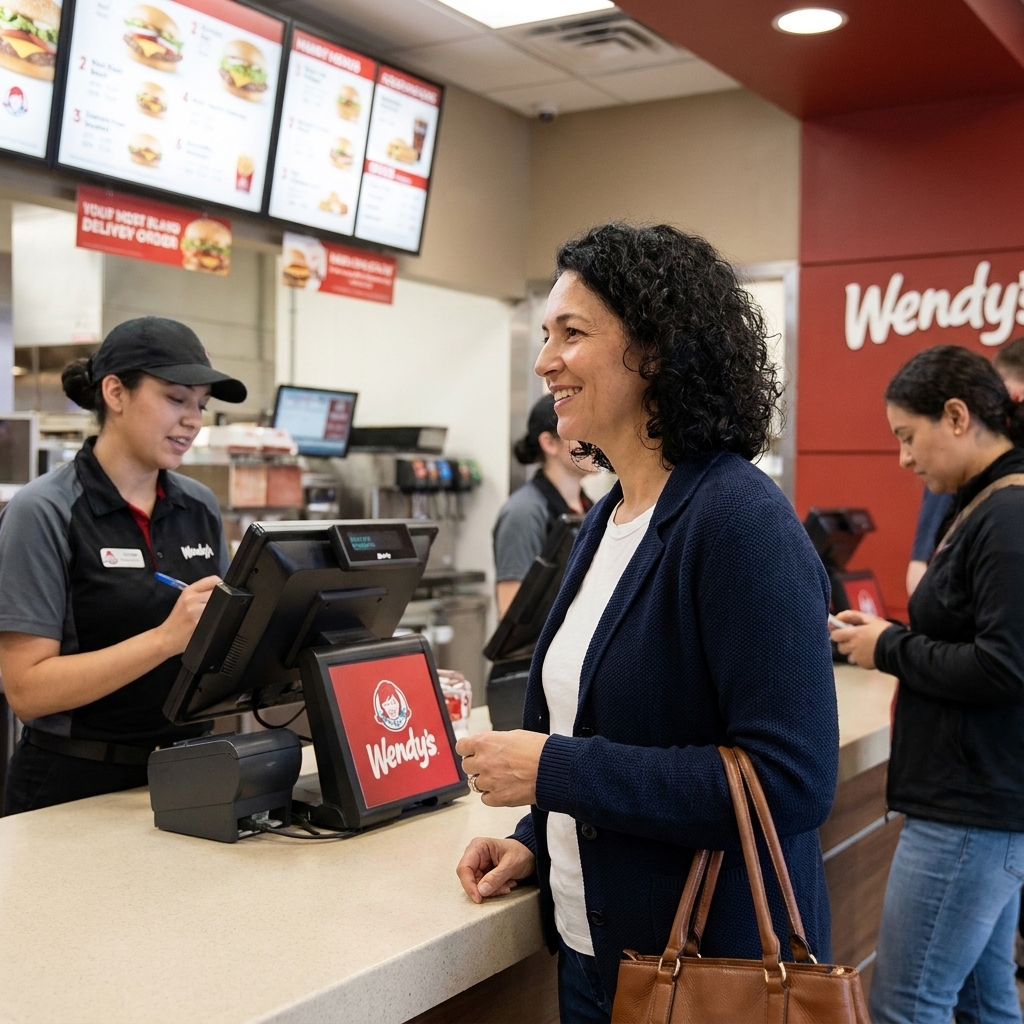
What “Sir, This Is a Wendy’s” means online
Online, “Sir, this is a Wendy’s” is a punchline you use when someone is:
- Massively off-topic for the setting
- Oversharing in a place that cannot possibly handle that level of emotion
- Ranting like they are delivering a closing argument to a jury
- Making a big moral speech where a simple answer would do
The implied meaning is: you are speaking like this is a serious venue, but you are in a very ordinary, low-stakes place. The joke is the contrast. It is a fast-food restaurant. The cashier is not your therapist, your debate opponent, or your arch-nemesis.
You will also see variations like “Ma’am, this is a Wendy’s,” “This is a Wendy’s,” or swapping in other chains. You will even see it typed all lowercase, especially in fast-moving replies, because that is just how people post.
Why it works
Situational catchphrases act like a meme version of stage directions. When you post “Sir, this is a Wendy’s,” you are silently adding a whole scene to the conversation:
- There is a counter.
- There is a cashier who wants your order, not your life story.
- There is a menu board glowing overhead.
- There is a line behind you getting increasingly concerned.
That mental scene is what makes the phrase feel sharper than “you are being weird.” It frames the other person as someone delivering a dramatic monologue while holding up the lunch rush.
This is also why these catchphrases travel so well across platforms. They are not tied to one fandom. They are tied to a recognizable social situation, and social situations are universal.
If you like this kind of context-driven meaning, you will probably enjoy our broader breakdown of how memes depend on framing in Snowclone Memes and Context.
Where it came from
People often treat catchphrases like they have a single birth certificate. In reality, a lot of meme lines are more like folk sayings: they crystallize from repeated jokes, riffs, screenshots, and remixes until one phrasing becomes the standard.
“Sir, this is a Wendy’s” is commonly linked to a familiar customer-service setup: someone tries to make a complicated complaint or dramatic demand, and the worker has to gently remind them they are, in fact, talking to a fast-food cashier. You can find versions of this joke floating around in anecdote posts, image macros, and general “wrong place for this speech” humor, long before any one phrasing became dominant.
If you have ever gone looking for the “real” screenshot or the one true original post, you have probably noticed the problem: people attribute it to different images and stories, and the trail gets messy fast. That is kind of the point. What matters most is not the first time it was ever typed. What matters is the shared understanding of the scenario.
How to use it without being mean
Because it is funny, “Sir, this is a Wendy’s” gets used as a blunt instrument. But it lands best when you aim it at the mismatch between tone and setting, not at someone’s vulnerability.
Use it when:
- Someone is debating like it is a courtroom in the replies to a simple meme.
- A conversation is spiraling into a conspiracy thread, unprompted.
- A group chat meant for plans gets hijacked by a dramatic speech.
Avoid it when:
- Someone is sharing something genuinely heavy and you are their only audience.
- The thread is already hostile and your comment will read as dogpiling.
- You are the one who changed the topic first, and now you are acting shocked.
If you want a softer version, you can swap in something more gentle like “I think we’re in different conversations,” or add a tone marker when needed. We have a full guide to those in Tone Indicators ( /s, /j ) and Instant Context.
Examples
Here are a few made-up-but-realistic examples that show the function of the phrase:
1) The off-topic manifesto
Post: “What’s everyone’s favorite movie snack?”
Reply: “Popcorn is a scam invented by Big Butter to keep us docile and distracted from the collapse of civic institutions…”
Response: “Sir, this is a Wendy’s.”
What it means: You are acting like this is a serious political forum, but it is a snack question.
2) The customer service misfire
Post: “Does anyone know how to change a username?”
Reply: “First, we must define identity. Names are prisons. The self is fluid…”
Response: “Ma’am, this is a Wendy’s.”
What it means: You are over-philosophizing a practical issue.
3) The dramatic overread
Post: A silly photo of a cat.
Reply: “This is what is wrong with society. No one respects anything anymore.”
Response: “Sir, this is a Wendy’s.”
What it means: The emotional intensity does not match the content.
Notice how none of these require Wendy’s specifically. The restaurant is a stage prop. The real target is tone mismatch.
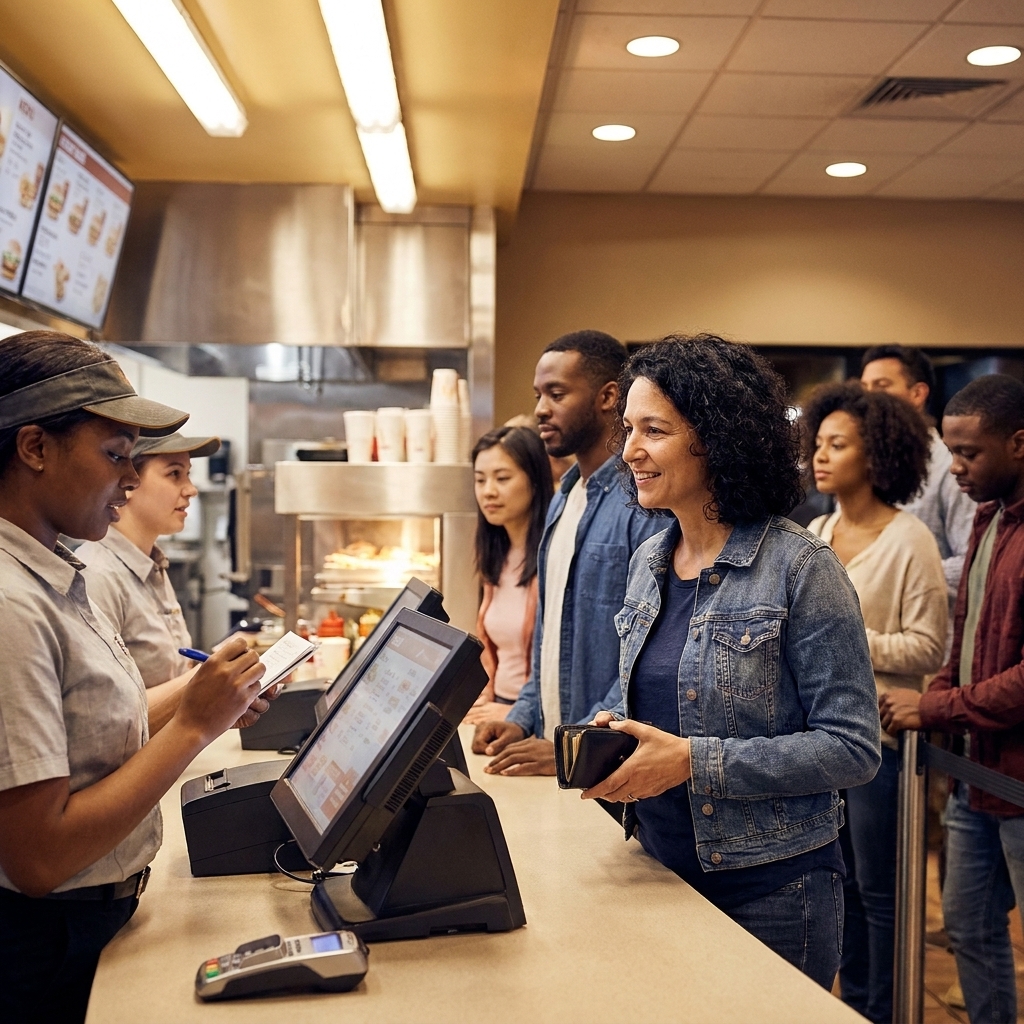
It is part of a bigger category
“Sir, this is a Wendy’s” is part of a bigger family: quotes that only make sense because they drag an implied scene into the room. A few common types:
Retail and service scenarios
- Cashier energy: “Okay… and what would you like me to do with that information?”
- Customer support vibes: “Have you tried turning it off and on again?” used outside tech contexts to mock oversimplified advice
Wrong-genre moments
- “Ma’am, this is a…” variants that lean on the same service-counter mismatch
- “Read the room” quotes that signal someone is acting like the main character in the wrong scene
Institutional scenarios
- “Your honor…” to tease someone for acting like they are prosecuting a case in a meme comment section
- “In this essay, I will…” to make fun of a reply that turned into a formal argument
All of these work because they import a setting with clear social rules. If those rules clash with what someone is doing, you get instant comedy.
This is one of the reasons irony is so central to how we talk online. If you want the bigger picture, Irony in Internet Slang connects a lot of these dots.
How to decode it in the wild
If you see a catchphrase and it feels like everyone else got the joke except you, try this quick mental checklist:
- What location is being implied? A restaurant? A courtroom? A therapy office? A classroom?
- What are the social rules of that location? Keep it brief, order food, do not monologue, do not trauma-dump, do not start a filibuster.
- Who is the speaker supposed to be? A cashier, a teacher, a judge, a customer service rep.
- What rule did the other person break? Usually: wrong tone, wrong topic, wrong intensity.
That is why I tell people not to memorize internet slang like vocabulary flashcards. A lot of it is not “word = definition.” It is “scene = meaning.” If that approach helps, Work Out Unfamiliar Internet Slang walks through context clues step by step.
FAQ
Is “Sir, this is a Wendy’s” rude?
It can be. In playful contexts, it is a light nudge: you are taking this too seriously. In tense contexts, it can read as dismissive. If someone is being vulnerable (not just dramatic for sport), it usually lands like a door slam.
Why Wendy’s specifically?
Specificity makes catchphrases stick. “A fast-food restaurant” is vague. “Wendy’s” is a crisp, shared reference point, and the name has a rhythm that fits the punchline. Also, part of why Wendy’s tends to stick is that it feels just specific enough to paint the scene instantly, even if you have never been in that exact Wendy’s.
Can I use it at work or on Slack?
Proceed with caution. In friendly teams, it can defuse overlong threads. In formal environments, it can come off as mocking. If your workplace already struggles with tone in text, I would pick a clearer, kinder redirect. Our take on that vibe lives in Gen Z Slang at Work: Slack and Email Context.
What is the point of situational catchphrases?
They are social shorthand. Instead of arguing about tone, you post a line that signals “this conversation is out of genre,” and everyone who recognizes the scenario instantly understands the critique.