
In context
The ‘Lots of Love’ Phenomenon

Published
I have moderated enough comment threads to know this truth in my bones: most online misunderstandings are not vocabulary problems. They are context problems. And nothing shows that more clearly than one of the most famous acronym mix-ups, when people read LOL as “lots of love” instead of “laughing out loud.”
It is funny. It is awkward. It is also genuinely human. If you are new to a digital space, you grab the nearest familiar meaning, and your brain confidently fills in the rest. Consider this your little museum tour of acronym confusion, featuring some internet history, some secondhand cringe, and a few practical lessons you can use the next time you are about to type three capital letters and hit send.
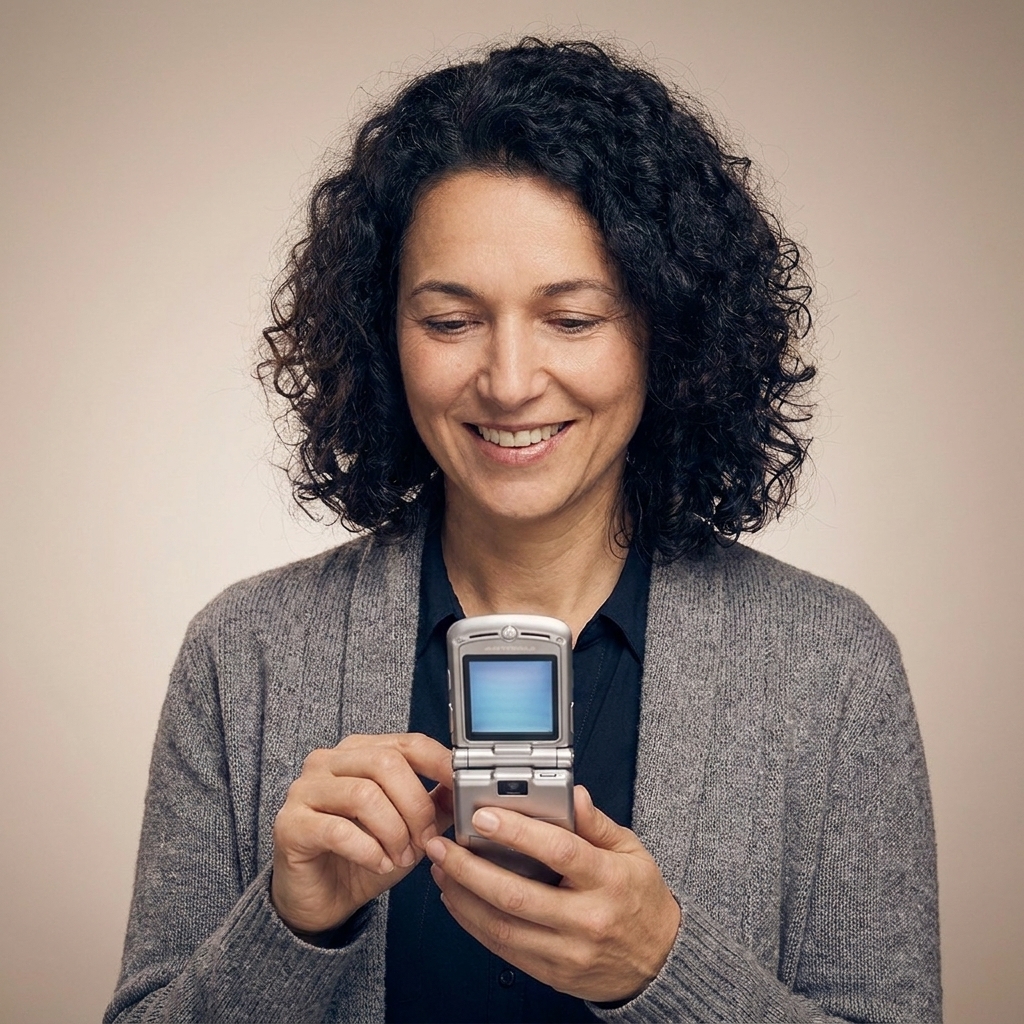
How LOL became the poster child
Here is the basic setup: acronyms are shortcuts, and shortcuts only work when both people are using the same map.
LOL spread widely in the 1990s through chat rooms and message boards, then exploded even further in the early 2000s as SMS texting took off. For people who learned it in those spaces, “laughing out loud” is the default. For some people who encountered it later through family texts, workplace email chains, or forwarded jokes, “lots of love” can feel like a reasonable guess. It looks like something you would put at the end of a note.
Where “lots of love” goes wrong
The classic story goes like this: someone shares bad news, like a death in the family or a hospital update, and the response ends with: “LOL.”
If you read LOL as laughter, it feels horrifying. If you read it as “lots of love,” it is sincere. The exact same three letters create two completely different emotional realities.
Small cultural footnote I love: the “LOL = lots of love” misunderstanding is so well-known that it now functions as a reference. People will jokingly sign a dramatic message with “lol (lots of love)” to show they know the history and are playing with it.
Want more on why meaning shifts depending on where you learned it? This is basically the whole heart of emoji and slang context on the modern internet.
Other acronym mix-ups
LOL may be the celebrity, but it has company. Here are a few of the most common and most chaotic misreads I have seen over the years.
WTF: joke or alarm
WTF is one of those acronyms that comes preloaded with intensity. In some spaces it is comedic disbelief. In others, it is a full-volume alarm bell.
- Common mismatch: Person A uses it as playful shock. Person B reads it as anger or disrespect.
- Why it happens: It is heavily tone-dependent, and punctuation changes everything. “wtf lol” lands very differently than “WTF.”
LMAO: how loud is this laugh
LMAO is generally understood, but the misunderstanding often is not the definition. It is the level of formality. I have seen people treat it like a mild “haha,” while others hear it as rowdy, borderline inappropriate energy.
Side note: as platforms changed, so did what “counts” as laughing. In some communities, “lol” became the polite acknowledgment and “lmao” became the real laugh. In others, everything got lowercase and “lmao” became the default filler.
If you like watching that kind of drift happen in real time, the lifecycle of internet slang is the long version of the story.
RIP: sympathy or sarcasm
RIP has a straightforward origin, but online it has at least three common uses:
- Literal condolence: sincere sympathy.
- Playful melodrama: “RIP my sleep schedule.”
- Snarky dismissal: “RIP that argument.”
Misunderstandings happen when someone uses RIP playfully in a space where people are discussing real grief, or when someone reads a playful RIP as coldness.
SMH: a guess that sounds plausible
This one is less famous than LOL, but I have watched it cause real confusion. SMH is usually “shaking my head,” meaning disappointment or disbelief. But if you have never seen it before, I have seen people guess “so much hate” (and other “so much…” expansions) because it fits the vibe.
Both readings communicate negativity, which makes the confusion harder to spot. People just argue past each other.
TTYL: the letters that look like a typo
TTYL (“talk to you later”) is old-school enough that some people recognize it instantly and others have never seen it once. I have seen it mistaken for a random keyboard mash, which is fair if you did not grow up with early texting shortcuts.
K vs KK: the tone gap
Not every misunderstanding is about “what does it stand for.” Sometimes it is pure tone. A single K can read as clipped or annoyed, while kk often reads as breezier. Same basic meaning, very different emotional temperature.
Why mix-ups felt common early on
In early message boards and chat clients, you had fewer clues, especially as the same acronyms jumped from niche forums into email and SMS with mixed audiences:
- No reaction buttons to signal tone.
- Fewer shared “in-jokes” between generations, friend groups, and subcultures.
- More mixed contexts as “offline life” collided with “online language.”
- Capitalization carried more weight, especially when it looked like yelling.
One of my favorite bits of old-school trivia is how many emotional cues were improvised before emoji went mainstream. If you are into that era, you will probably enjoy dial-up era ASCII and Usenet trivia.

Why the mistake makes sense
People sometimes talk about the LOL mix-up like it is silly, but it is actually a very rational mistake.
It looks like a sign-off
“Lots of love” is something you would write at the end of a card. So when “LOL” appears at the end of a text, the brain tries to interpret it as a warm closing.
It often arrived through family channels
Many folks first saw LOL in forwarded emails, family group texts, or casual notes. That is a different ecosystem than gaming chats or forums, where “laughing out loud” is the obvious read.
Context is the real dictionary
Online, meaning is not just definition. Meaning is also platform, relationship, topic, and timing. That is why I keep coming back to context as the main skill, not memorizing terms. If you want a practical approach, this guide to working out unfamiliar slang is my go-to logic ladder.
How LOL evolved
This is the part that always makes me smile, because it explains why even people who do know “laughing out loud” can still misread a message.
- Phase 1: LOL is literal. Example: “That video got me, LOL.”
- Phase 2: LOL becomes a tone softener. Example: “Can you send that file again lol” (meaning: I am not trying to sound bossy).
- Phase 3: LOL becomes conversational punctuation. Example: “lol yeah” (meaning: I acknowledge you, I am here, keep going).
So yes, LOL can signal laughter. But it can also signal politeness, nervousness, or simply that the sender does not want the message to sound harsh. This is also why “lol” can appear after a serious sentence and not be malicious, depending on the person and their habits.
Avoiding confusion
If you are texting across generations or subcultures, you do not need a glossary. You need a couple of small habits.
Mirror their style
If they do not use acronyms, keep yours minimal. If they use emojis and reaction images, you can be a little looser. This is not about “acting young.” It is just reducing ambiguity.
Add one extra phrase when it matters
If it is a condolence, a work situation, or anything emotionally delicate, add a real sentence: “I am so sorry” or “that made me laugh.” Acronyms are great until they are not.
Ask once, then move on
A simple “When you say LOL, do you mean laughing or lots of love?” can save a lot of spiraling. People are usually relieved, not offended.
And if you want a broader look at tone fixes, especially in mixed-age spaces, tone indicators are basically the modern patch for the same old problem.
Mini FAQ
Does LOL ever still mean “lots of love”?
Some people still use it that way, especially in family texting circles. The key is that it is not the dominant meaning online. If you use LOL for “lots of love” with someone who does not know you do that, it is very easy to accidentally send a horror movie text.
Is it rude to use WTF or LMAO?
Not inherently, but they are high-intensity acronyms. In a close-friends chat, they can be normal. In workplace Slack or cross-generational family threads, they can read as aggressive or crude.
Why do people put “lol” after something that is not funny?
Because “lol” often functions like a tone buffer. It can mean “I am not mad,” “I am awkward,” “I am being gentle,” or “please do not take this too seriously.” It is less a laugh and more a social signal.