In context
The “Nobody:” Meme Format

Published
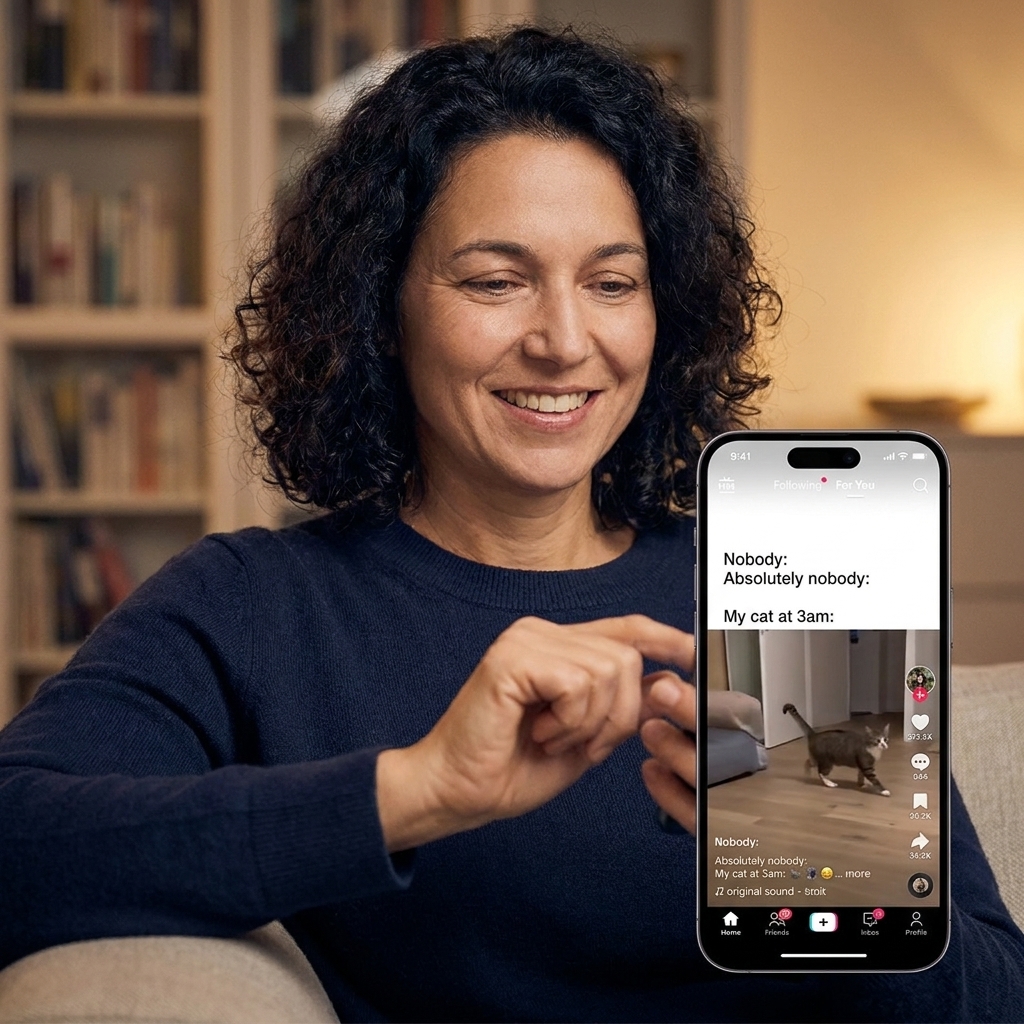
I learned how powerful “silence” can be online back when I was moderating busy pop culture and gaming groups. Half my job was translating tone. Not just what someone typed, but what they did not type. The “Nobody:” meme format is basically that moderation lesson turned into a joke: it turns empty space into the setup, then drops something wildly unprompted into the gap.
On the surface it looks like a simple template. But the reason it keeps working across platforms is that the blank space is doing real context-building work. It tells you the behavior you are about to see is unsolicited, out-of-nowhere, and usually a little ridiculous. In other words, perfect conditions for internet slang to thrive.
What it means
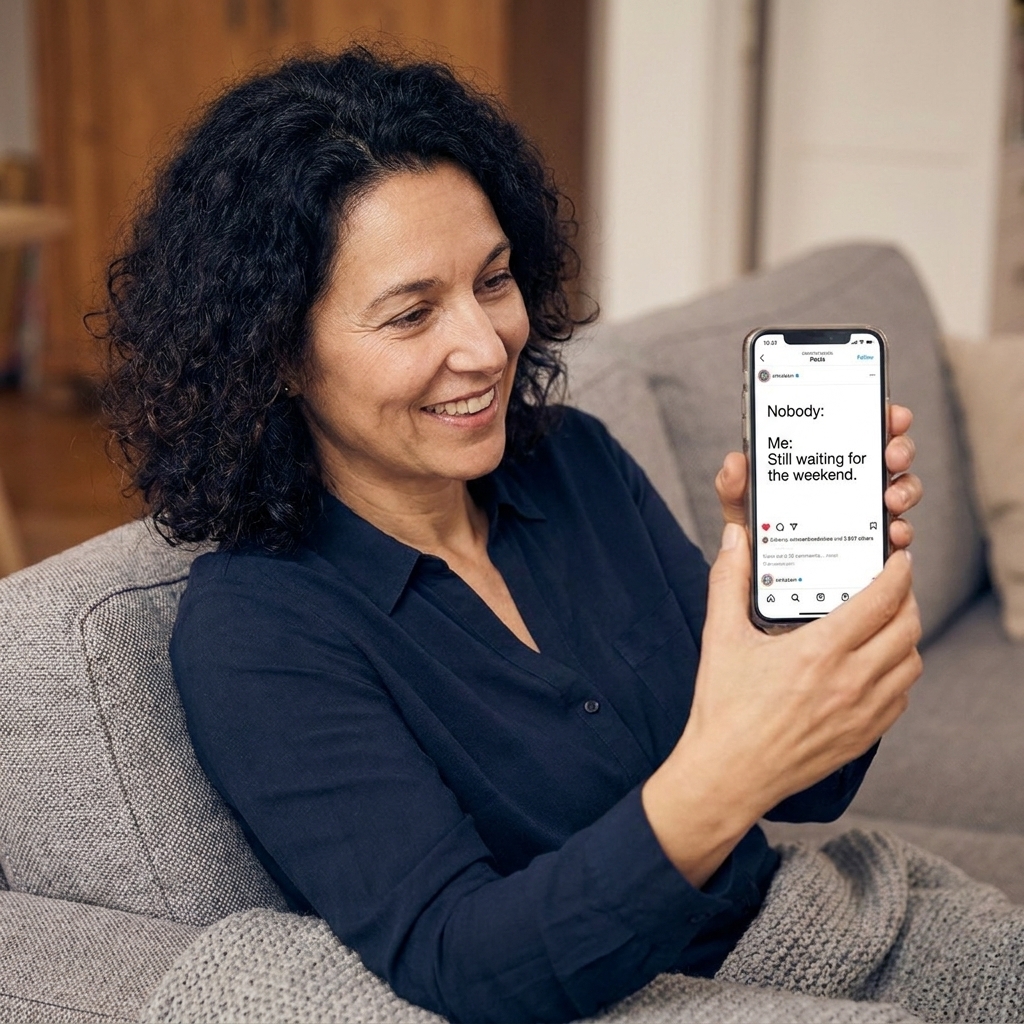
The classic structure is:
- Nobody:
- Absolutely nobody:
- Me: unhinged statement or action
The first two lines are intentionally empty. That emptiness is the point. It creates a little stage pause where your brain expects a prompt, a question, a reasonable segue, anything. Then the punchline arrives, and the contrast does all the comedic lifting.
If you have ever watched a chat go off the rails because one person showed up with a hyper-specific opinion, a niche reference, or a brand new slang term and zero context, you already understand this meme. The “Nobody:” lines are a captioned version of the room going quiet.
How blank space sets tone
Text memes do not have facial expressions or vocal inflection. So they build tone with formatting: line breaks, repetition, capitalization, and sometimes deliberate nothingness.
It establishes a baseline
“Nobody:” sets the baseline: there was no stimulus. No one asked. No one brought it up. The post is presenting the next line as self-generated chaos.
It assigns responsibility without being mean
Instead of “you are annoying,” the format gently frames it as “this is a thing people do.” That is why it is so shareable. It calls out behavior while keeping the vibe playful.
It turns randomness into a pattern
A lot of internet slang is funny because it sounds misplaced. The “Nobody:” setup makes “misplaced” the premise. Suddenly, the bizarre phrasing is not confusing. It is the joke.
This is also why it pairs so well with irony. The meme does not just describe unprompted behavior, it performs it. If you want a deeper dive into how that works online, I broke down the mechanics of that vibe in irony in internet slang.
Why it fits slang
Slang can travel faster when people can understand it without a dictionary. The “Nobody:” meme is like a tiny instruction manual: it pre-labels the next line as extra.
It frames niche terms instantly
Even if you do not know the term being used, you can still read the intent. The move is:
- Unprompted
- Overconfident
- Performative
- Chaotic, but contained
That emotional framing is often enough to let slang land. You might not be able to define it yet, but you can feel what it is doing in the sentence.
It normalizes “absurd but specific” behavior
The internet loves specificity. The more oddly specific the behavior, the more “real” it feels. “Nobody:” memes are basically a museum of micro-behaviors: the friend who answers every question with a TikTok sound, the coworker who says “core” about everything, the gamer who speaks entirely in patch notes.
If you want a general toolkit for decoding terms that show up like this, start with how to work out unfamiliar internet slang.
The grammar
People sometimes try to “correct” the format. They will say, “Actually somebody said something,” or “The word ‘nobody’ is redundant here.” Which is true, and also missing the point.
This meme uses a kind of exaggerated, stage-direction grammar:
- “Nobody:” is not a factual claim. It is a cue for silence.
- “Absolutely nobody:” is not new information. It is a longer silence, like a drumroll made of nothing.
- “Me:” is a spotlight. It isolates the speaker as the source of the sudden weirdness.
The nitpicking is part of the lifecycle too. Once a format gets popular, people start policing it, parodying the policing, and then parodying the parody. You also get the “this meme is stale” phase, which is basically the internet announcing it has seen the trick enough times to recognize it on sight.
It is similar to how reaction images rewrite the tone of plain text. Different tool, same goal: communicate vibe faster than a paragraph could. If you like that angle, you will probably enjoy visual slang and reaction images.
Examples
Here are a few “in the wild” examples that show how the silence does the setup work. These are generic examples, because the exact phrasing changes constantly.
1) Unprompted expertise
- Nobody:
- Me: “Ok so here is my 14-part thread on why this fictional couple would not survive a lease renewal.”
The joke is not that analysis is bad. It is that the analysis arrived without invitation.
2) Sudden slang deployment
- Nobody:
- Me: “That is so ‘main character’ coded.”
You may not know the term, but you understand the social move: confidently applying a micro-label to something mundane.
3) Platform brain leaking into real life
- Absolutely nobody:
- Me in a work meeting: “Sorry, I was today years old when I learned we have a Q3 budget.”
The blank space frames it as “why did that internet phrase escape your mouth right now.” For more on that phenomenon, see Gen Z slang at work.
Why it works
It is a safe way to say “this is a lot”
Most “Nobody:” memes are affectionate, even when they are roasting someone. They point out intensity, not moral failure. That matters online, where tone can escalate fast.
It creates instant in-group
If you recognize the behavior being described, you are in on the joke. If you have done the behavior, you are also in, because the format lets you laugh at yourself.
It compresses an interaction
The format is basically a tiny play:
- Scene: silence
- Entrance: one person
- Action: unprompted chaos
That compression is why it travels so well between Twitter-style text posts, TikTok captions, Discord servers, and comment sections.
Common variations
The pure “Nobody:” format comes and goes in popularity, but its core trick shows up everywhere. A few common evolutions:
- “No one asked but…” The blunt version, often used sincerely and ironically at the same time.
- “Me, for no reason:” More self-aware, less accusatory.
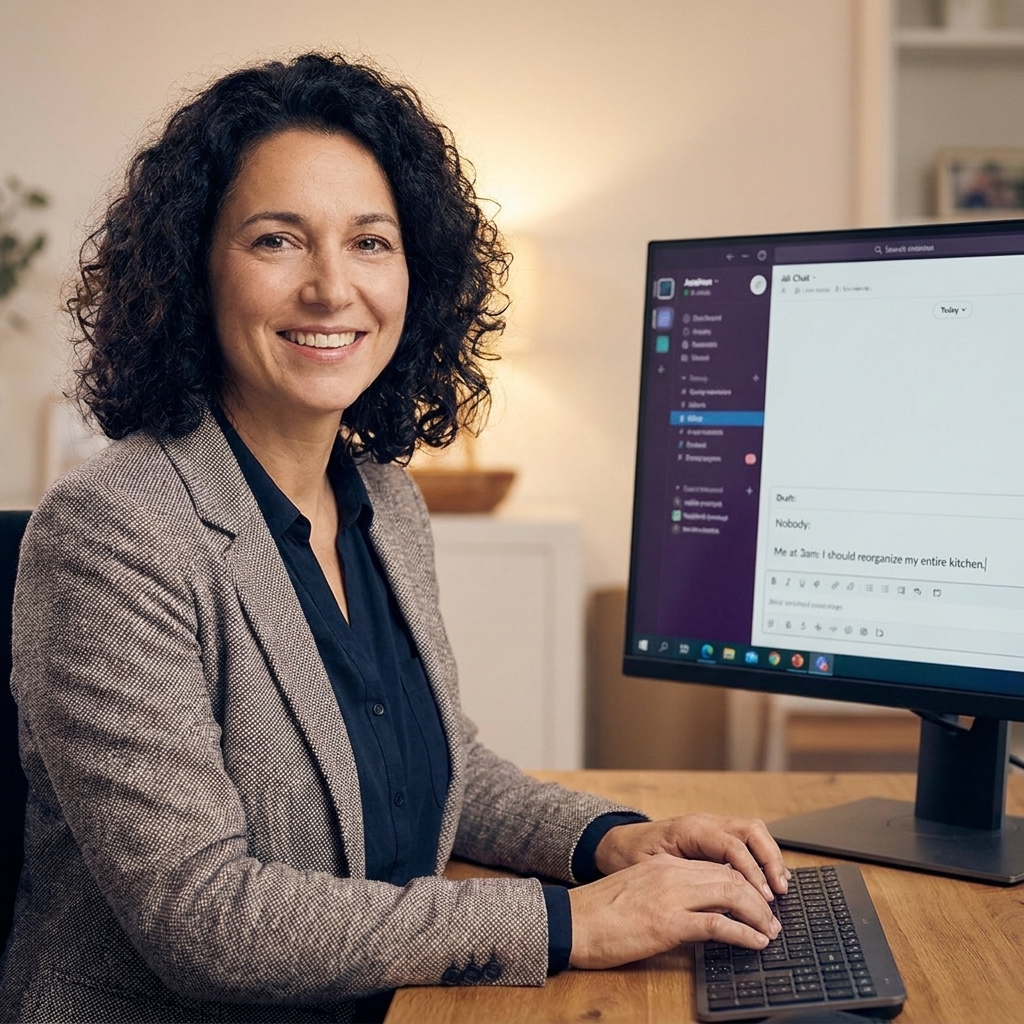
- “Me at 3 a.m.:” Adds a situational excuse, like insomnia-based theater.
- POV variants: A perspective swap where the viewer is placed inside the scenario. If you want the mechanics of that style, I have a full explainer on the POV meme.
All of these do the same essential thing: they mark the behavior as context-free, then make that lack of context the context.
How to read it
- Treat “Nobody:” as a tone marker, not a fact. It means “this came out of nowhere,” not “silence truly existed.”
- Look for the target. Is it the poster (self-roast), a friend archetype, a fandom, a brand, or an entire platform?
- Spot what is being exaggerated. Volume, confidence, obsession, timing, or weird specificity.
- Then decode the slang. Once you know what emotion the meme is assigning, the term usually becomes easier to infer.
This is the same basic skill as reading tone markers and context clues in fast-moving chats. If you want a dedicated guide to that, how to read TikTok slang with context clues is a good companion piece.
FAQ
Where did it come from?
Versions of the “Nobody:” setup circulated widely across platforms around the mid-to-late 2010s. It really consolidated in the era of screenshot-style text posts and image macros, then kept mutating as people remixed the same idea through quote posts, captions, and comment threads. Attribution is diffuse by nature, because reposting is the whole engine.
Is it rude to use about someone?
It can be. If you are using it to call out a specific person in a dogpile, it will read like public shaming. If you are using it as a gentle archetype joke, or to roast yourself, it usually lands as playful.
Why does it work with absurd slang?
Because absurd slang often needs a frame that says, “Yes, I know this sounds ridiculous, that is why it is funny.” The “Nobody:” blank space provides that frame before the term even appears.
The takeaway
The “Nobody:” meme is not really about nobody. It is about the moment before a social move, when the room could go in any direction, and someone chooses chaos.
That is why it remains useful long after individual punchlines stop being fresh. The format gives you a compact way to say: this behavior has no prompt, no justification, and absolutely no chill. And somehow, everyone understands exactly what you mean.
If you want more meme mechanics like this, you can browse the broader explanations in our memes guide.