
In context
From Lolcats to DoggoLingo

Published
I still remember the first time I had to moderate an argument that boiled down to: “Cats don’t talk like that.” Someone had posted a classic “I can has…” image, someone else took it literally, and suddenly we were in a ten-comment debate about grammar, intelligence, and whether the poster was being “cringe.”
That is the sneaky genius of pet-photo slang. It is not just misspelling for laughs. It is a context-dependent dialect where the cute image does half the meaning, and the words finish the joke.
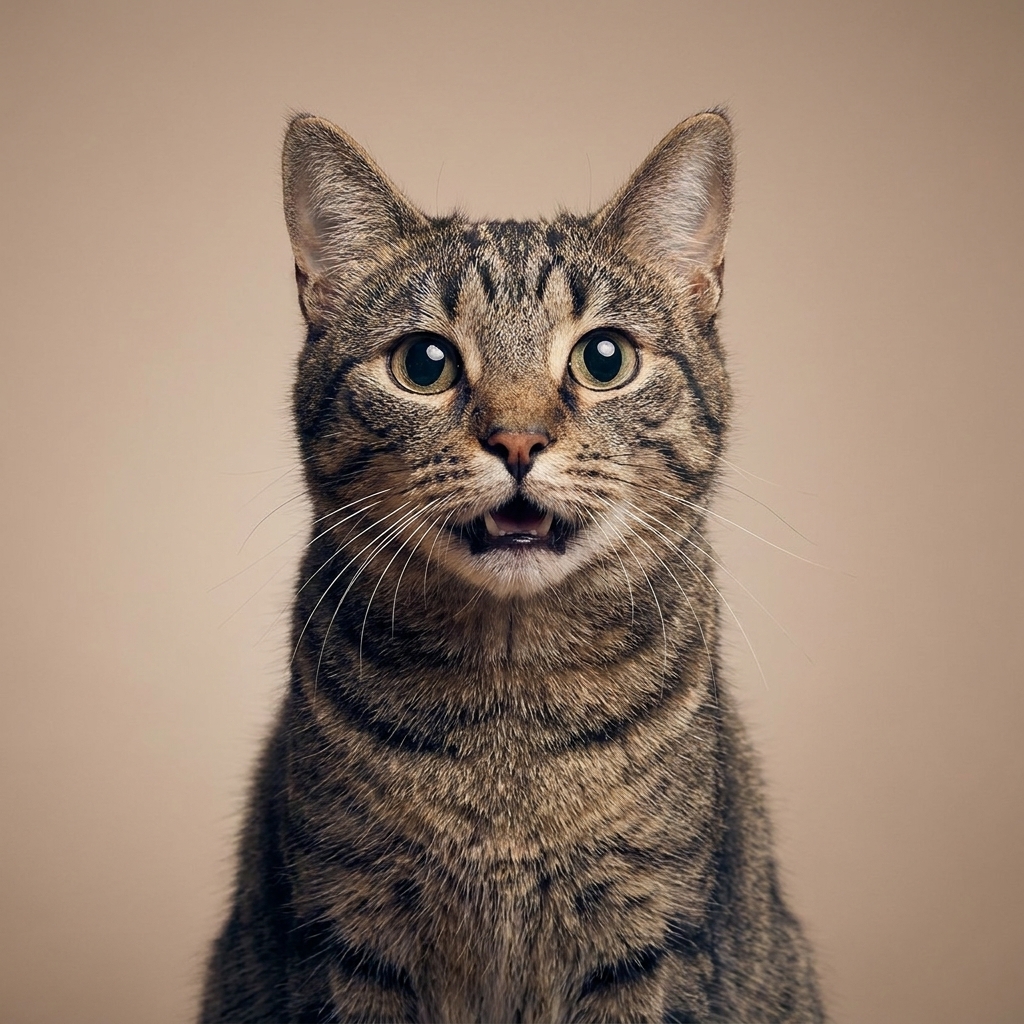
The core trick: the photo is part of the sentence
Animal internet dialects like Lolcats and DoggoLingo are basically caption languages. The grammar bends because the picture is doing the heavy lifting: it supplies the speaker (the pet), the emotional tone (innocent, guilty, chaotic), and the “scene” (caught on the counter, wearing a tiny hat, mid-zoomies).
Without the image, the same words can look like a typo. With the image, the “wrongness” reads as voice.
If you like how context rewires meaning across platforms and formats, our broader Trivia guide and Memes guide dig into this idea from a bunch of angles.
Lolcats trivia: why “bad” English became the point
1) “Lolspeak” was not random, it was a character voice
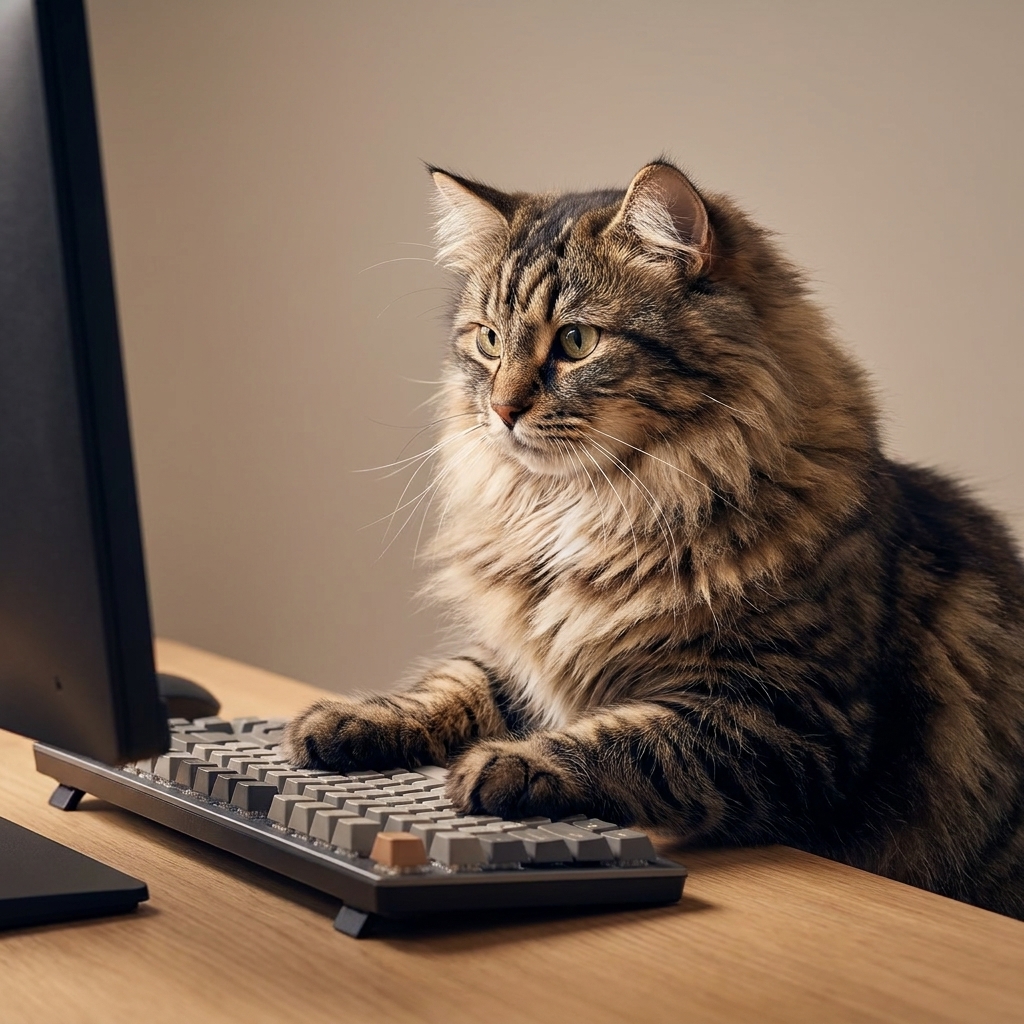
Early Lolcats captions often used a recognizable pattern sometimes nicknamed “lolspeak”: simplified grammar, playful misspellings, and a childlike, impulsive “cat logic.” Think: “I can has cheezburger?” or “Oh hai”.
Trivia angle: the captions read like a consistent persona. Not “a human typing badly,” but “a cat thinking out loud.” The image authorizes the voice.
2) The grammar signals innocence, not ignorance
In everyday English, broken grammar can signal lack of education or care. In Lolcats, it signaled the opposite of menace: softness, harmless mischief, and a kind of toddler sincerity.
That is why it was sticky as a format. You could post a photo of a cat doing something objectively annoying, but caption it in a way that makes it hard to stay mad.
3) Lolcats trained the internet to accept “caption dialects”
One underappreciated legacy: Lolcats helped normalize the idea that a consistent wrong grammar can be a legitimate style. Later meme dialects built on that permission structure. If you have ever seen deliberate misspellings like “smol” or “stonks,” you are seeing the same mechanism. We talk more about that broader pattern here: why memes misspell on purpose.
DoggoLingo trivia: why dogs “speak” differently than cats
DoggoLingo (you might also see people call it “dog speak”) is the later, dog-centered cousin of Lolcats. The vibe shifts from mischievous gremlin to enthusiastic best friend. The grammar shifts with it.
4) The suffixes do emotional work: doggo, pupper, heckin
DoggoLingo leans hard on friendly, rounded sounds:
- -o endings (doggo, heckin) that feel bouncy and informal
- -er endings (pupper) that feel affectionate and diminutive
- extra letters (floof, boi, fren) that slow the word down and make it “cuter” in your head
Trivia angle: this is basically phonetics as vibe management. The spelling is steering your tone before you even hit the punchline.
5) Dog captions often use “action narration” instead of “cat confessions”
Lolcats often read like internal monologue: “I can has,” “I eated,” “I iz in ur…”
Doggo captions more often read like a play-by-play of an emotional event:
- “heckin zoomies engaged”
- “smol lad do a worry”
- “this is my emotional support stick”
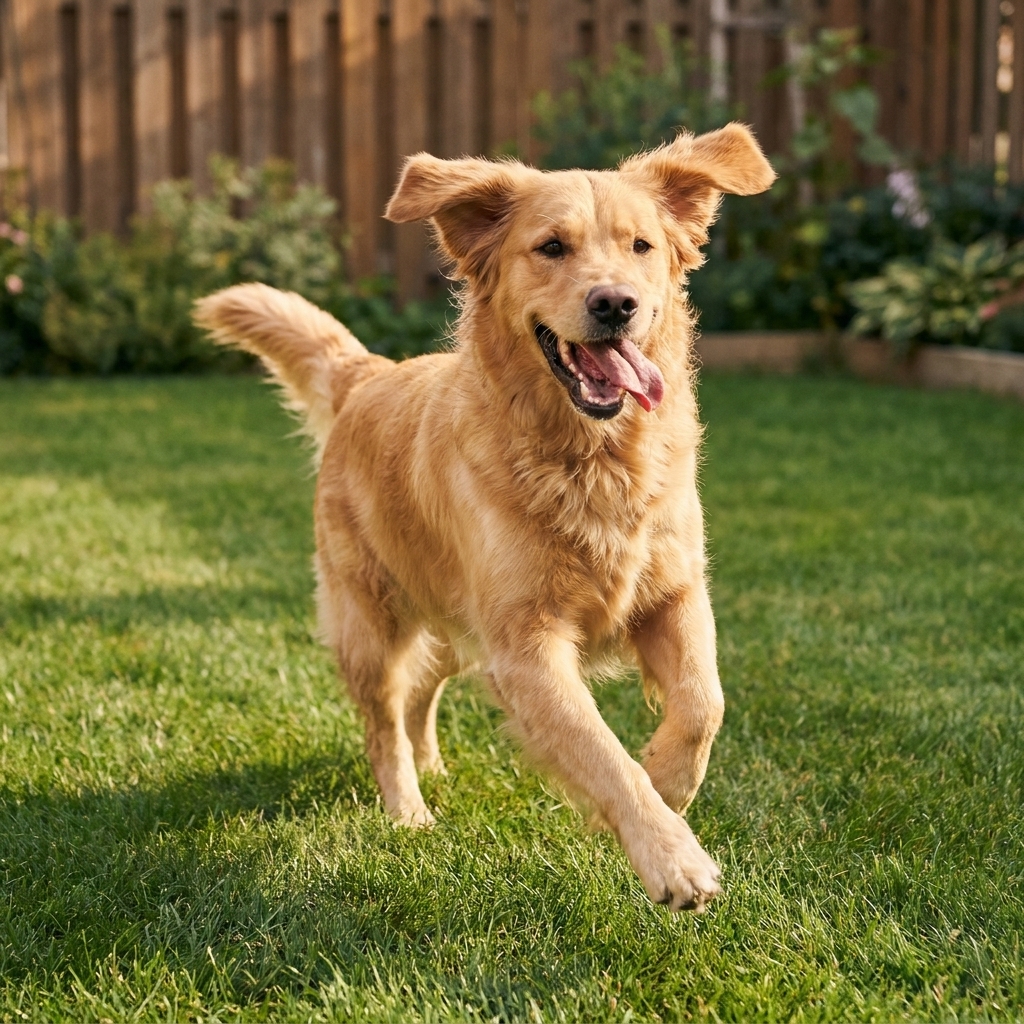
That is why DoggoLingo pairs so well with photos that show motion or intensity: a dog mid-sprint, ears flying, tongue out.
Context dependence: the same phrase means different things with different pets
Pet dialects are a masterclass in implied scenario. The caption is rarely complete on its own. It assumes you can see the evidence.
6) “No thoughts head empty” changes meaning by species
- On a cat: often reads as elegant dissociation or aloof serenity
- On a dog: reads as pure, happy himbo energy
- On a rabbit: reads as fragile, startled minimalism
Same words, different default stereotypes, different joke. If you enjoy this idea of hidden setup, you will probably like Sir, this is a Wendy’s and the implied scenario.
7) “He did a” is a grammar error that works like a spotlight
DoggoLingo phrases like “he did a sit” or “she did a scream” treat actions like countable objects. In standard English you would not put an article there. In the dialect, that article functions like a little comedic stage light: pay attention, this action is the whole moment.
It is the same kind of meme-grammar move you see in snowclones, where the structure matters as much as the content. Related reading: snowclone memes and context.
Mini timeline: pet photos did not just go viral, they standardized a voice
Internet pet language did not appear fully formed. It evolved in overlapping waves:
- Message board era: shared reaction pets, early caption jokes, niche in-groups setting norms
- Lolcats era: lolspeak becomes recognizable enough to imitate instantly
- DoggoLingo era: wholesome, affectionate spellings spread across mainstream platforms
- Platform remix era: TikTok captions, Discord servers, and comment sections remix the dialect into new micro-styles
In my mod days, you could almost date a community by which pet dialect it used unironically, ironically, or as a nostalgic throwback. That lifecycle piece is why I always recommend reading slang through its “when and where,” not just its dictionary definition. More on that: the lifecycle of internet slang.
Why this dialect breaks “rules” safely
Pet-photo slang is one of the few places online where people routinely break grammar rules without it turning into a status fight.
8) The “speaker” is not you
When the caption is in a pet voice, the author gets plausible deniability. You are not presenting yourself as careless. You are performing a character.
9) The cuteness acts like tone punctuation
In plain text, “gib treat” could read demanding. Under a photo of a tiny dog looking up with huge eyes, it reads pleading and silly. The visual context works like a tone indicator.
Related: if you have ever wondered why we needed explicit tone markers in text-only spaces, we broke that down here: tone indicators and instant context.
A quick “spot it in the wild” trivia quiz
If you want to test your pet-dialect instincts, try these. The answer is less about the words and more about what kind of image they expect.
- “I can has…” usually pairs with: a cat asking for food, attention, or access
- “smol” usually pairs with: a tiny animal, a curled-up nap pose, or any “too small to be real” perspective
- “heckin” usually pairs with: mild chaos presented as wholesome, like muddy paws or couch zoomies
- “no talk me I angy” usually pairs with: an animal in a grumpy face moment, often misread as serious until the caption frames it as cute
FAQ: pet-photo linguistics, answered plainly
Is DoggoLingo the same thing as baby talk?
They overlap, but DoggoLingo is more like internet baby talk with meme rules. It uses consistent patterns (smol, floof, fren, heckin) and it relies heavily on the image to set tone, which is more meme-like than private “pet voice” speech.
Why do people spell words like “smol” instead of “small”?
Because “smol” does a different job. It is not just “small.” It implies cute-small, vulnerable-small, sometimes absurdly-small. It also signals that the speaker is playing in a specific online register. For a deeper dive: why memes misspell on purpose.
Does this kind of slang ever become “real” English?
Pieces of it can. Words and spellings jump from captions into everyday texting all the time. If you are curious how that recognition happens at the dictionary level, we have a whole explainer: how Merriam-Webster decides internet slang is real.
Why do I only understand these captions when I see the photo?
Because you are supposed to. This is a context-dependent dialect where the visual is effectively part of the grammar. If you want a general method for parsing unfamiliar online language, start here: work out unfamiliar internet slang.
The big takeaway
Lolcats and DoggoLingo are not just “cute captions.” They are a long-running experiment in how humans build dialects around media formats. The pet photo provides the speaker, mood, and stakes. The caption provides the voice, timing, and social signal: I know what kind of joke this is.
And once you see that, you start noticing the same trick everywhere online, even when there are no pets involved.