
In context
Articles by Jasmine Porter
Each entry stays tied to the chat, joke, or scene where the wording showed up.
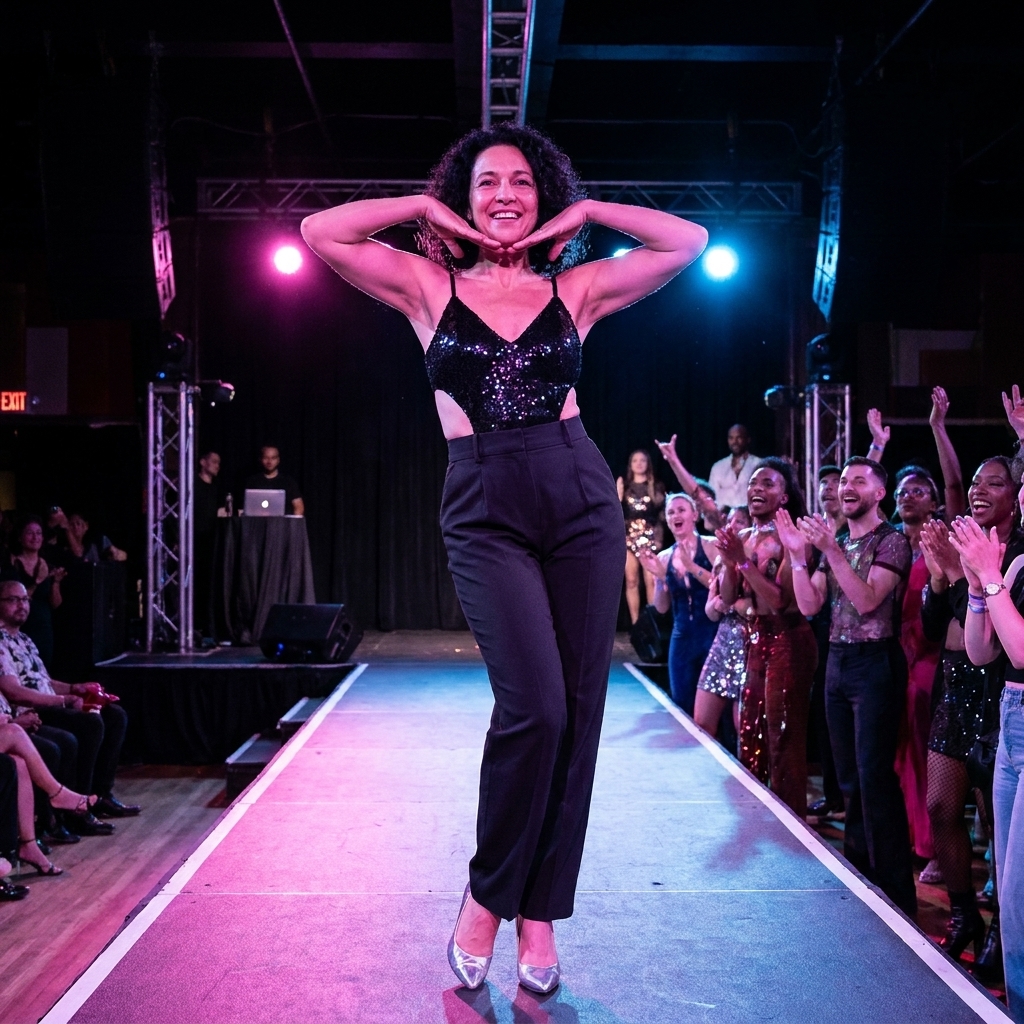
Ballroom, AAVE, and the Internet: Why Context Matters
I learned to read a comment section the way you learn to read a room. I spent years moderating pop culture and gaming communities, and the same pattern showed up over and over: the biggest blowups rarely came from “bad words.” They came from words used out of context. One of the most common spirals...
Read more →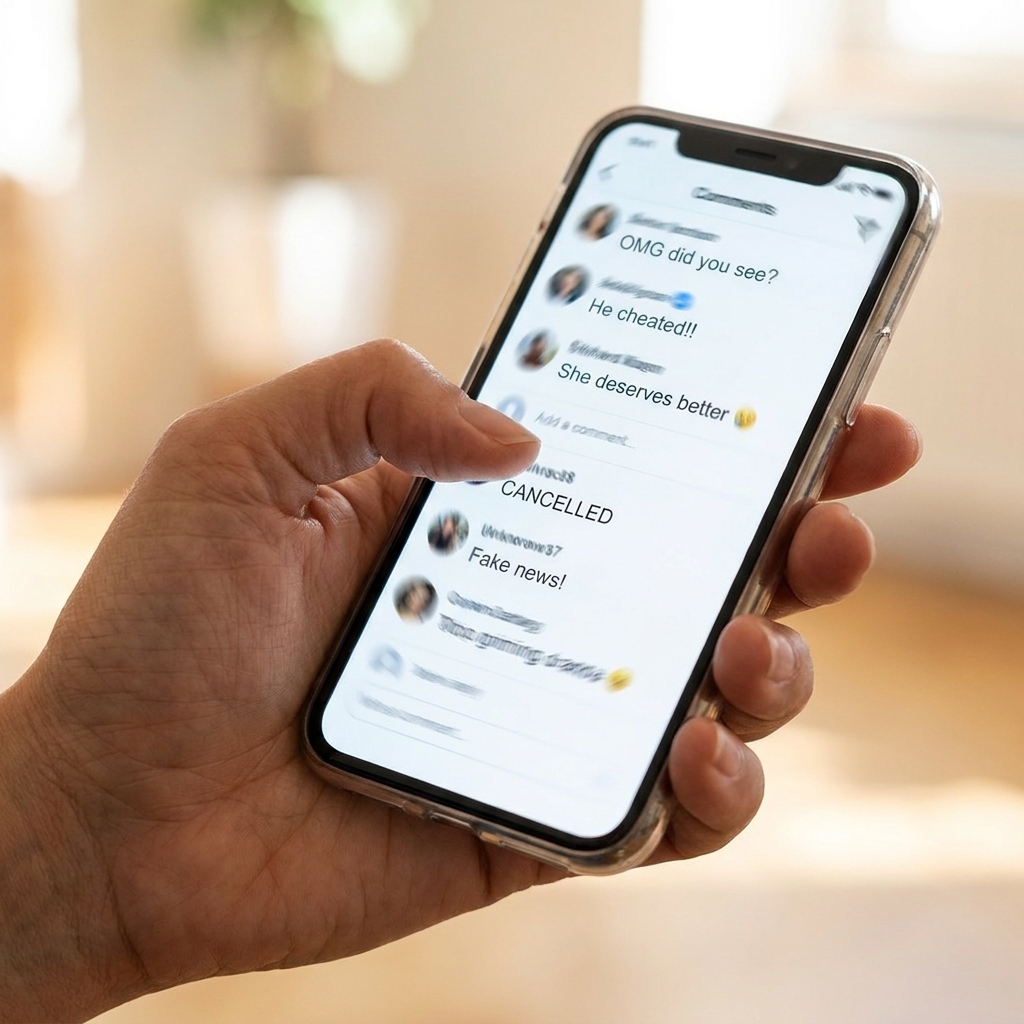
When Pop Culture Misuses Therapy Speak
I have moderated enough celebrity-fandom blowups to know this pattern by heart: someone posts a screenshot, captions it “gaslighting,” and within three comments the thread is basically a courtroom drama where everyone is also suddenly a therapist. Therapy language going mainstream is not...
Read more →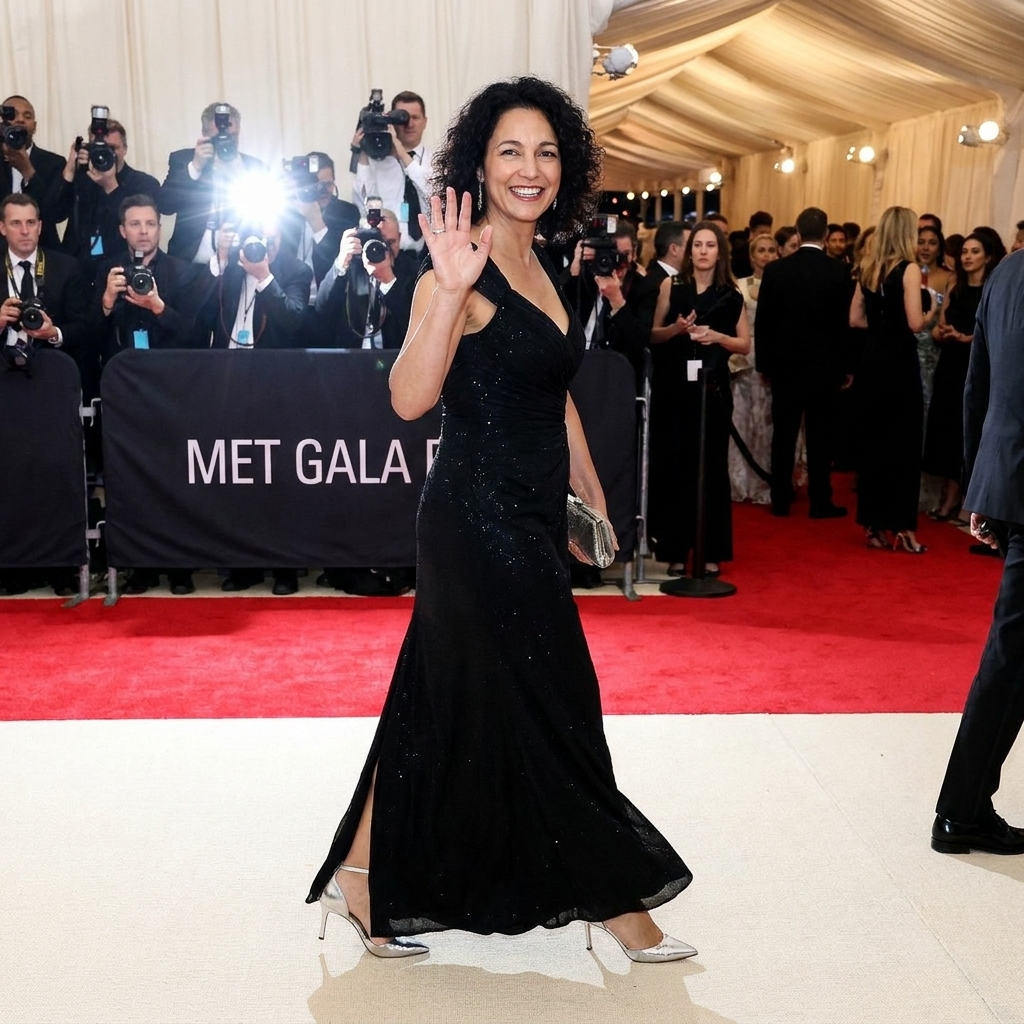
The Slang of Live-Tweeting
I learned to read live-tweets the way I learned to read chaotic forum threads back in the message board days: you do not try to understand every single word. You try to understand the moment. During pop culture events like the Oscars, the Met Gala, or a surprise album drop, the timeline moves so...
Read more →
Decoding Notes App Apologies
I have moderated enough chaotic comment sections to know this truth: most apology drama is not about whether someone said “sorry.” It is about whether the apology sounds like a person or like a strategy. And when the apology drops as a clean block of text on a (often) pastel background, a lot of us...
Read more →
The “-core” Suffix Explained
I learned to take aesthetics seriously the same way I learned to take usernames seriously in early message boards: the literal words matter less than the vibe they are trying to signal. Today, the vibe has a suffix. On fashion and lifestyle TikTok, “-core” is basically a shorthand label for an...
Read more →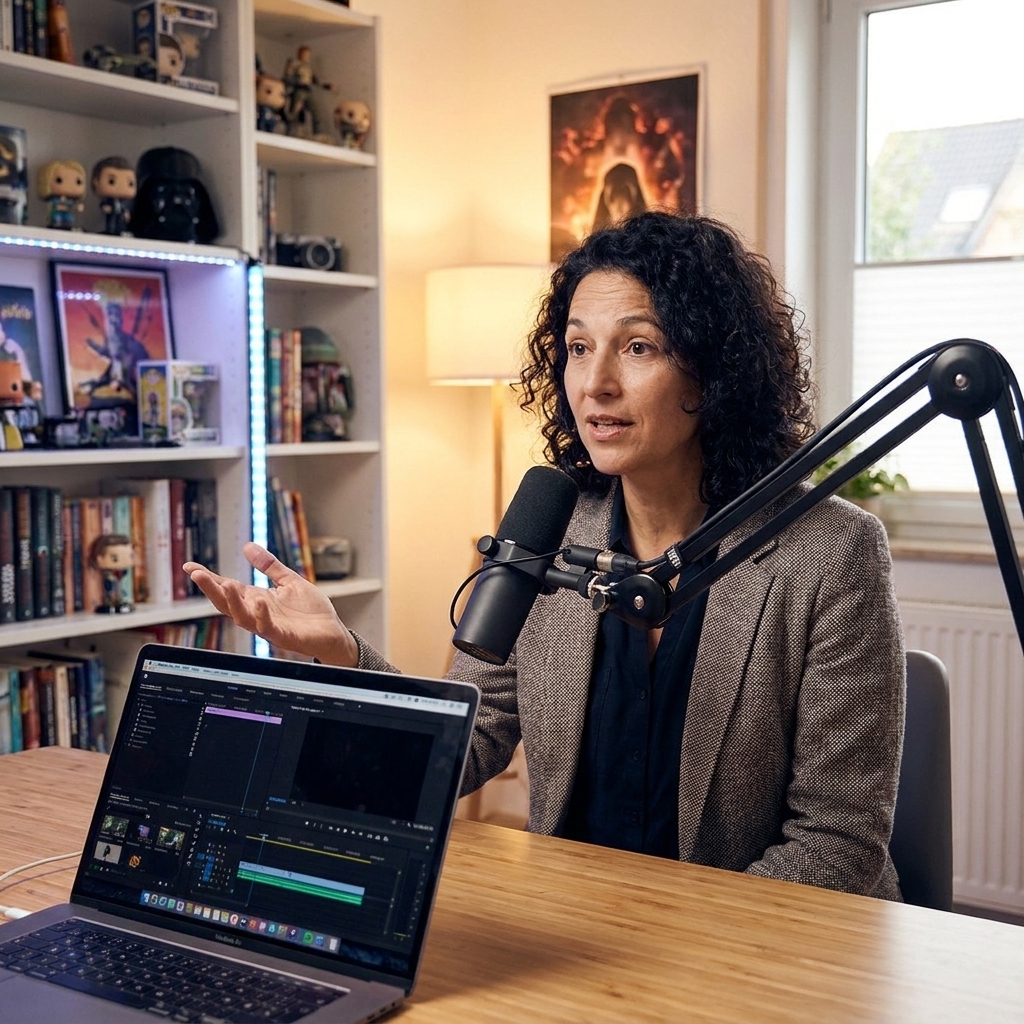
Decoding YouTube Algospeak With Context
I have watched enough YouTube drama recaps to know the moment a creator takes a careful breath and suddenly starts sounding like they are talking around the topic instead of about it. Words get swapped, syllables get shaved off, and serious topics turn into oddly cute euphemisms. That is not always...
Read more →
Visual Slang: Reaction Images That Rewrite Your Words
One of the funniest (and most painful) things I learned while moderating big pop culture and gaming communities is this: people will forgive a typo faster than they will forgive a misread reaction image. Because reaction GIFs and screenshots are not just decoration. They are visual slang , and the...
Read more →
The Lifecycle of Internet Slang
I learned this the hard way as a moderator: most online arguments are not about the topic. They are about two people using the same word from two different internet eras. Someone drops “based” and means “I respect that stance” or “you said that with confidence.” Someone else hears an older, messier...
Read more →
From Love Island to RuPaul: Reality TV Slang in the Wild
I learned to fear two things as a community moderator: a vague screenshot and a quote with no context. Reality TV slang is basically both. A line gets ripped out of a confessional, turned into a reaction image, then used as a full sentence in group chats by people who have never seen the episode....
Read more →
Brand Fails and Slang
I have moderated enough pop culture and gaming communities to know this truth: in my experience, people rarely get mad because a brand used a slang word. They get mad because the brand used it in the wrong moment , with the wrong tone , in the wrong room . Slang is basically a social handshake....
Read more →
Decoding Stan Culture Slang
I have moderated enough pop music threads to know this truth: people rarely fight because they disagree about a song. They fight because they are speaking slightly different fandom dialects. Stan culture slang can look like nonsense if you parachute into a comment section mid-drama. But once you...
Read more →
Tone Indicators: /s, /j, and Instant Context
I learned the hard way that the internet is not “bad at tone.” It is just text shaped like a conversation. When I was moderating big pop culture and gaming groups, the blowups were rarely about the actual opinion. They were about the mood people thought the opinion was delivered with. Someone reads...
Read more →
Dating App Slang Decoded
I have moderated enough “so what does this mean, exactly?” threads to know the hardest part of dating apps is not the algorithm. It is the tiny bio, where people cram three personalities, two boundaries, and one meme into a tight character limit. Dating app slang is not a secret codebook so much as...
Read more →
A Parent’s Guide to Teen Texting Slang
After years of moderating big pop culture and gaming communities, I can tell you one of the most common causes of online misunderstandings is not the words, but the missing context. Teen texting slang can look like a secret code, but it is usually just fast, playful language that relies heavily on...
Read more →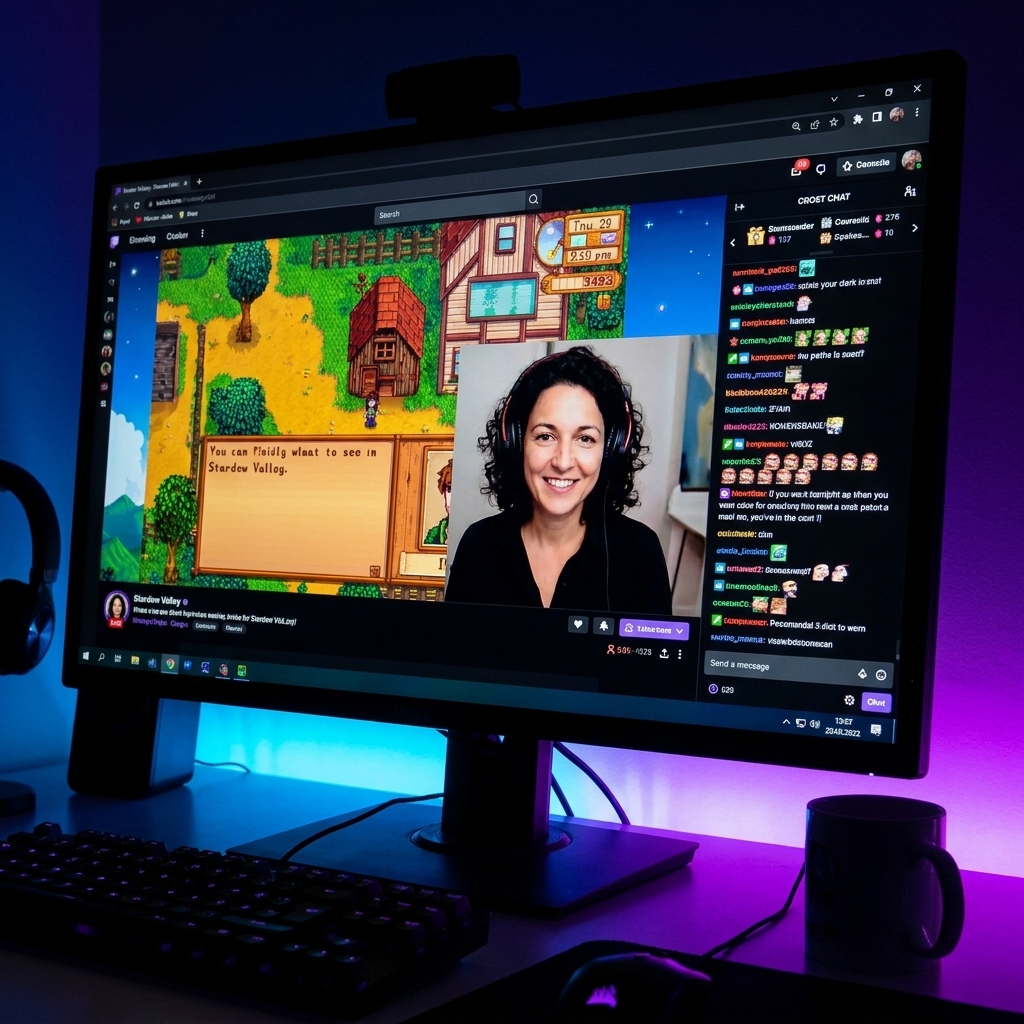
Twitch and Discord Slang, Decoded
I learned early on as a community mod that the fastest way to start a fight is to assume everyone means the same thing by the same word. Gaming chat makes that lesson feel like a speedrun. On Twitch and Discord, slang is not just vocabulary. It is a live commentary track that can change meaning...
Read more →
Emoji Slang Dictionary: Context Changes Everything
One of the funniest parts of moderating internet communities is watching people argue over an emoji like it is a sworn statement. Someone drops a single 💀 and half the thread reads it as “I’m laughing,” the other half reads it as “I’m genuinely upset,” and one person is convinced it is a threat....
Read more →
How Slang Shifts on Reddit vs. Twitter
I learned this the hard way back when I was moderating big gaming and pop culture groups: people don’t just argue about what a word means. They argue about what the word signals about the speaker. And that signal changes depending on where you are. Reddit and Twitter (yes, I know it’s X in the app...
Read more →
Gen Z Slang at Work: Slack and Email Context
I have moderated enough internet arguments to know this: most communication blowups are not about the slang itself. They happen because someone misses the tone the slang is carrying. In many teams I have seen, Gen Z slang shows up in Slack first (fast, casual, reaction-heavy), then sometimes...
Read more →
Internet Slang Trivia Night Ideas
I have moderated enough late-night comment sections to learn one universal truth: people rarely argue over the word . They argue over what the word is doing in that moment. That is exactly why an internet slang trivia night built around context clues is so fun. You are not testing who memorized the...
Read more →
How Merriam-Webster Decides Internet Slang Is Real
One of my favorite moments as a community mod was watching a brand-new phrase go from “what does that even mean” to totally normal in the span of a few weeks. Someone would drop a weird little word in a comment thread. It would get repeated, remixed, memed into a catchphrase, and suddenly it was...
Read more →